When Goodbye Became a Production
On any given day in 1925, the piers of New York Harbor looked like a cross between a carnival and a riot. Hundreds of people crowded the docks, throwing confetti, blowing horns, and waving handkerchiefs as massive steamships prepared for departure. What had started as simple farewells for immigrants heading home or families embarking on European vacations had evolved into elaborate productions that regularly delayed ship schedules and drove port authorities to distraction.
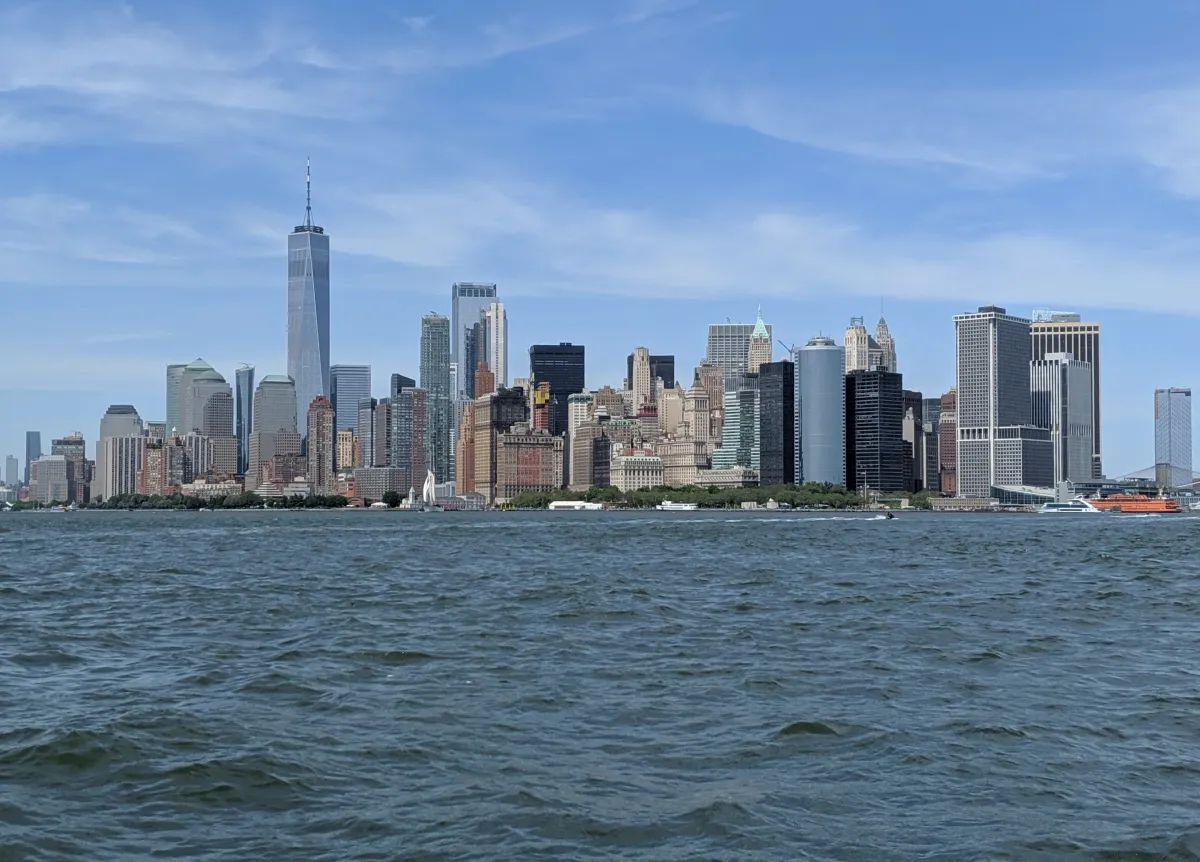 Photo: New York Harbor, via static.wixstatic.com
The problem was uniquely American: while other countries treated ship departures as routine transportation, Americans had transformed them into entertainment.
The Immigrant Origins
The tradition began in the 1880s with genuine necessity. When European immigrants saved enough money to visit family back home, the departure was genuinely momentous. Ocean voyages took weeks, communication was impossible during transit, and there was always the chance that elderly relatives might not survive until the next visit.
These early send-offs were emotional affairs. Entire immigrant communities would gather at the docks to see their neighbors off, creating spontaneous celebrations that mixed tears with music, prayers with dancing. Italian families brought accordions, Irish groups sang traditional ballads, and German communities organized brass bands.
Shipping companies initially welcomed the gatherings. Happy crowds suggested satisfied customers and created positive publicity for their services. The Hamburg-Amerika Line even began advertising their departures as "festive occasions" in immigrant newspapers.
The Social Transformation
By the 1900s, something remarkable had happened: wealthy Americans had noticed the immigrant send-off parties and decided they wanted their own. What had been born from genuine emotion and cultural necessity was being adopted by people who simply thought it looked fun.
Society pages began covering elaborate bon voyage parties as social events. Wealthy families would hire musicians, cater elaborate spreads, and invite dozens of friends to see them off on European tours. The parties often lasted longer than the actual boarding process, with some celebrations continuing for hours after the ship had departed.
The transformation revealed a distinctly American approach to tradition: if something was fun, it was worth doing bigger and louder than anyone else.
The Commercial Explosion
Entrepreneurs quickly recognized the opportunity. By 1910, companies were offering complete bon voyage party packages, including decorations, musicians, photographers, and catered refreshments. The Cunard Line began selling special "departure party tickets" that allowed non-passengers to board ships during the final hour before sailing.
These commercial parties created their own problems. Ships designed to accommodate 2,000 passengers might have 5,000 people aboard during departure preparations. The extra weight affected loading procedures, the crowds blocked crew access to essential equipment, and the noise made it impossible for officers to communicate effectively.
Captain William Henderson of the RMS Mauretania wrote in his 1915 memoir: "I have commanded vessels through Atlantic storms that were less chaotic than a typical New York departure with its accompanying celebration."
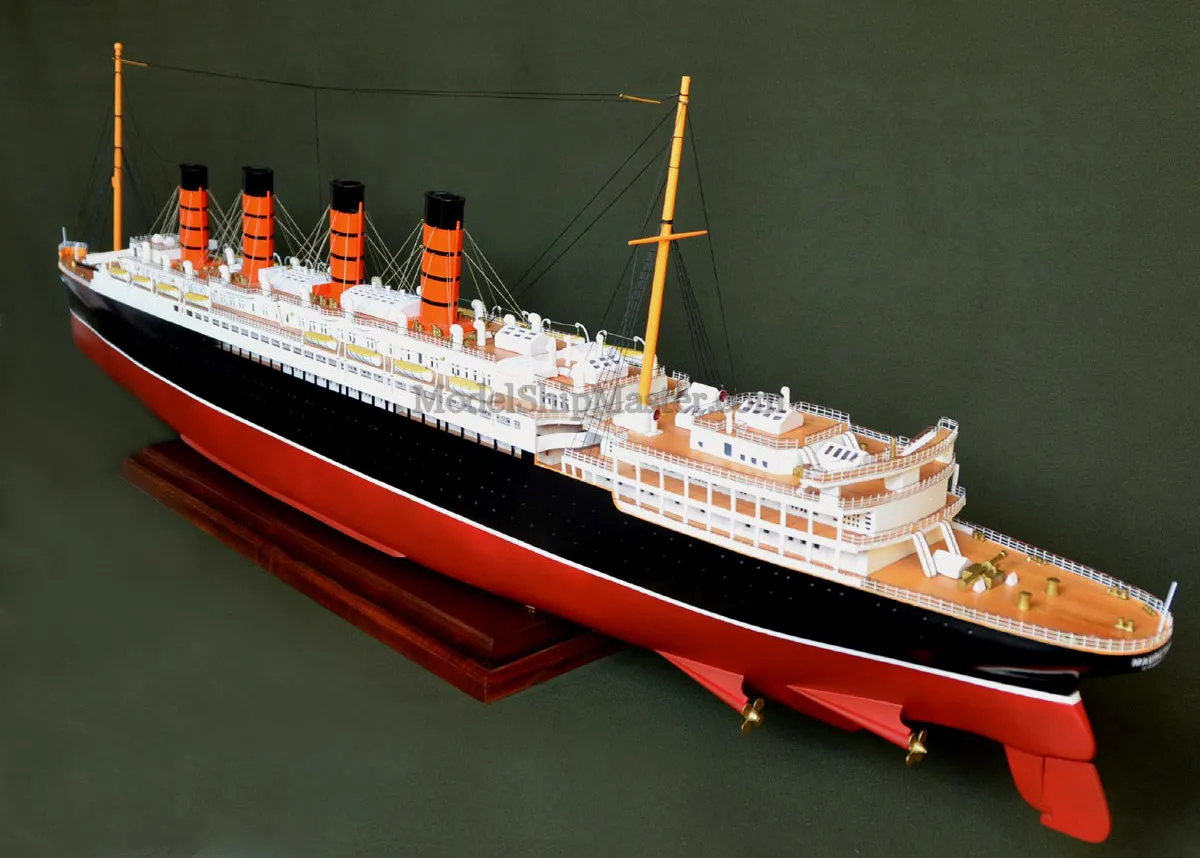 Photo: RMS Mauretania, via www.modelshipmaster.com
The Complaints Begin
By 1920, the parties had become so elaborate that they were regularly causing significant delays. The Port Authority of New York began receiving formal complaints from shipping companies about passengers who missed departures because they were too busy celebrating to notice the final boarding call.
More seriously, the crowds were creating genuine safety hazards. Fire marshals reported that overcrowded ships posed serious risks in case of emergency evacuation. Insurance companies began questioning their liability coverage for accidents occurring during departure parties.
The Hamburg-Amerika Line, which had originally encouraged the gatherings, issued a formal statement in 1922 requesting that passengers limit their send-off parties to "immediate family members only." The request was largely ignored.
The Failed Crackdowns
In 1923, the Port Authority attempted to ban non-passengers from boarding ships entirely. The policy lasted exactly three weeks before being quietly abandoned. The shipping companies discovered that many of their most profitable customers were threatening to book with competitors who still allowed departure parties.
A second attempt in 1925 tried to compromise by limiting party access to specific areas of each ship. This created new problems as party-goers crowded into designated zones, creating even more dangerous conditions than the previous free-for-all system.
The French Line tried a different approach, charging a substantial fee for departure party access. Instead of discouraging the celebrations, this turned them into exclusive events that attracted even larger crowds of wealthy party-goers willing to pay premium prices for the experience.
The Cultural Victory
By 1930, the shipping industry had essentially surrendered to American party culture. Most major lines had incorporated departure celebrations into their standard operating procedures, building them into departure schedules and hiring additional staff to manage the crowds.
The parties had become so institutionalized that travel guides began rating different shipping lines based on the quality of their departure celebrations. The French Line was praised for its "elegant Continental atmosphere," while the White Star Line was known for "raucous but thoroughly American festivities."
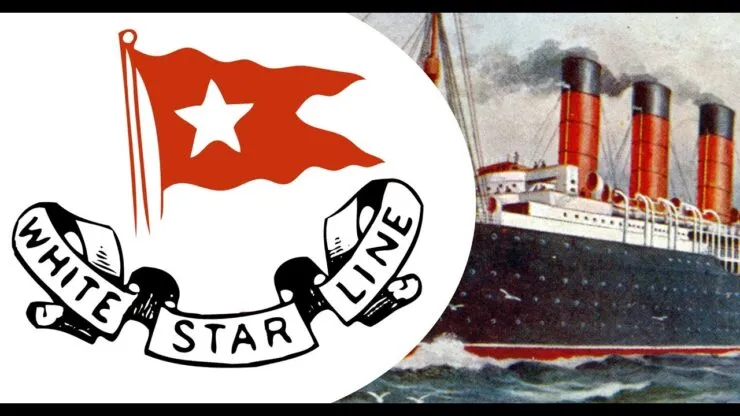 Photo: White Star Line, via www.titanic-titanic.com
What had started as immigrant families saying goodbye to loved ones had become a defining feature of American travel culture.
The Aviation End
The tradition began to fade in the 1950s as air travel replaced ocean voyages for most international trips. Airport security made elaborate departure parties impossible, and the speed of air travel eliminated the sense of momentous journey that had originally inspired the celebrations.
But the cultural impulse that drove bon voyage parties never disappeared — it simply migrated to other venues. Bachelor parties, graduation celebrations, and retirement send-offs all carry echoes of those raucous dock-side gatherings where Americans first discovered that any excuse for a party was a good excuse.
The Unstoppable Impulse
The bon voyage party phenomenon reveals something fundamental about American culture: the irrepressible urge to turn routine events into celebrations. What other countries treated as mundane transportation, Americans transformed into entertainment. What shipping companies viewed as operational necessities, American passengers saw as opportunities for parties.
The fact that port authorities, shipping companies, and fire marshals all failed to control the parties demonstrates the power of cultural momentum. When Americans decide something is fun, institutional resistance is usually futile.
Today, the elaborate departure parties of the steamship era exist mainly in old photographs and movie scenes. But the spirit that drove them — the distinctly American belief that any significant moment deserves a celebration — continues to shape how we mark transitions, departures, and new beginnings. We may no longer throw confetti from ship decks, but we're still looking for excuses to throw a party.