The Scent That Vanished
For decades, stepping into a new car meant breathing in that distinctive cocktail of leather, vinyl, adhesives, and chemical compounds that somehow translated into pure possibility. Americans developed an almost Pavlovian response to it—the smell of freedom, status, and fresh starts all rolled into one intoxicating whiff.
Then, in the mid-1970s, it disappeared.
Not all at once, and not obviously. But as the Clean Air Act tightened emissions standards and manufacturers scrambled to reduce volatile organic compounds (VOCs) in their vehicles, that beloved new car smell began to fade. The very chemicals that created the aroma—formaldehyde from adhesives, benzene from plastics, toluene from solvents—were being regulated out of existence.
When Chemistry Meets Marketing
By the early 1980s, car dealers started noticing something troubling. Customers would walk into showrooms, take a deep breath, and look confused. Where was that smell that made their hearts race and wallets open? Sales teams reported that buyers seemed less emotionally connected to vehicles that smelled like, well, nothing much at all.
That's when Ford's marketing department made a call that would reshape the entire industry. They reached out to International Flavors & Fragrances, a company that had spent decades perfecting artificial scents for everything from laundry detergent to fast food restaurants. The brief was simple but unprecedented: reverse-engineer nostalgia.
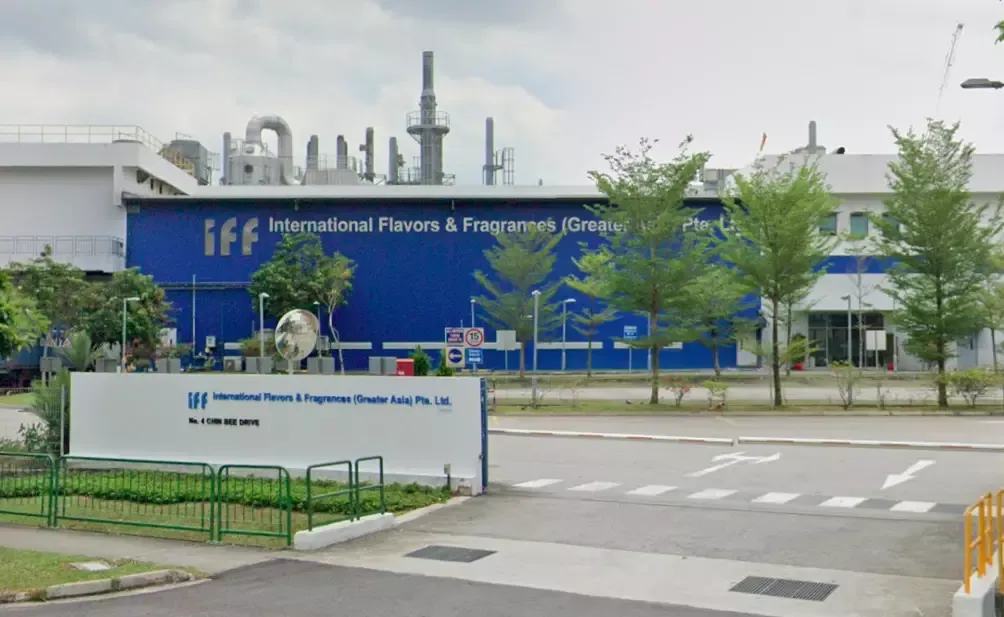 Photo: International Flavors & Fragrances, via cyclect.com
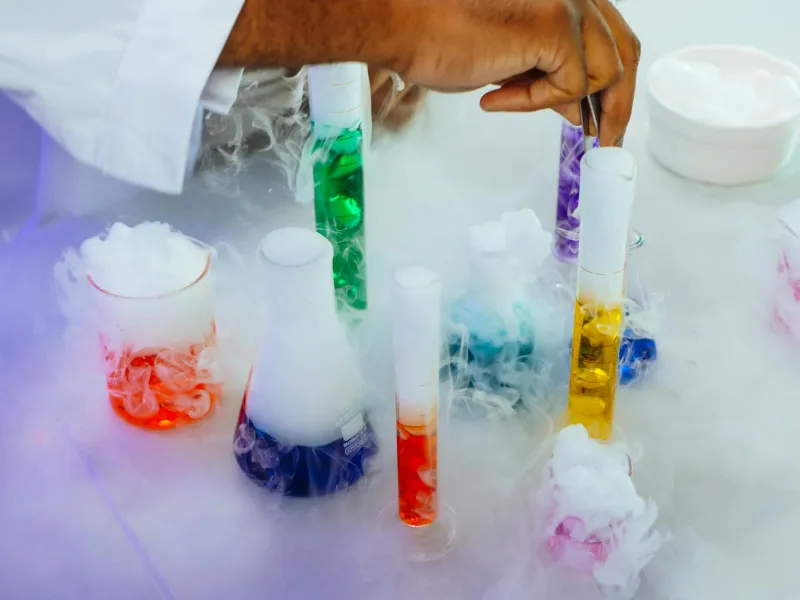
The fragrance chemists faced a unique challenge. They weren't just trying to mask bad odors or create something pleasant—they needed to recreate a specific emotional memory that was rapidly fading from showroom floors. They spent months analyzing samples from pre-1975 vehicles, breaking down the molecular components that had triggered such powerful responses in car buyers.
The Recipe for Desire
What they discovered was fascinating. The original new car smell wasn't one scent but a carefully balanced symphony of dozens of compounds. Leather contributed warm, rich base notes. Vinyl added a clean, slightly sweet middle layer. Various plastics and adhesives provided what fragrance experts call "top notes"—those immediate, sharp scents that hit your nose first.
But here's where it gets interesting: the most emotionally powerful components were also the most toxic. Benzene, which gave new cars that slightly gasoline-like edge, is a known carcinogen. Formaldehyde, which added a clean, sharp quality, causes respiratory problems. The smell that Americans loved was literally poisoning them in small doses.
The chemists' solution was brilliant in its audacity. They would recreate the emotional impact using completely different, safer molecules that happened to trigger similar responses in the human brain. It was like creating a cover song that sounded nothing like the original but somehow made you feel the same way.
The Invisible Industry
By 1985, nearly every major automaker had quietly partnered with fragrance companies. Mercedes-Benz worked with Givaudan to develop what they called "premium leather essence." Toyota collaborated with Takasago to create "fresh cabin scent." Even budget brands got in on the action, commissioning artificial versions that would make their interiors feel more luxurious than they actually were.
The application methods were surprisingly sophisticated. Some manufacturers mixed scent compounds directly into plastic pellets before molding. Others developed special sprays applied during final assembly. The most advanced systems used slow-release capsules embedded in air vents, designed to provide that new car smell for exactly the length of a typical car loan.
The Science of Emotional Manipulation
What car companies discovered went far beyond simple nostalgia. Neuroscience research in the 1990s revealed that scent triggers emotional responses faster and more powerfully than any other sense. The olfactory bulb connects directly to the limbic system—the brain's emotional center—bypassing the rational thinking that might question whether you really need a $40,000 vehicle.
Marketing teams began commissioning studies on "scent-triggered purchasing behavior." They found that customers exposed to engineered new car smell were 23% more likely to choose premium options and 31% more likely to complete a purchase the same day. The numbers were so compelling that by 2000, scent engineering had become a standard line item in automotive marketing budgets.
The Modern Smell Factory
Today's new car smell is more artificial than ever, but also more sophisticated. Companies like ScentAir and Prolitec have built entire businesses around automotive fragrance, offering dozens of variations tailored to different markets and demographics. Want to appeal to luxury buyers? There's a blend that emphasizes leather and wood notes. Targeting young professionals? Try something with citrus undertones and metallic hints.
The industry has even developed seasonal variations. Summer blends include subtle coconut notes to evoke vacation freedom. Winter formulations add pine and vanilla to suggest cozy comfort. Some manufacturers now offer multiple scent options, allowing buyers to customize their emotional experience along with their seat covers.
The Unspoken Contract
Perhaps the most remarkable thing about automotive scent engineering is how invisible it remains. Walk into any dealership today and you'll experience the result of millions of dollars in research and development, but you'll never see a label that says "artificially scented." The industry has successfully maintained the illusion that new car smell is natural, even as they've completely manufactured it.
In a way, it's the perfect metaphor for modern consumer culture—a genuine emotional response to an entirely artificial stimulus, designed by chemists and deployed by marketers to sell us something we didn't know we wanted. Every time you take that deep, satisfying breath in a new car, you're not just smelling leather and plastic. You're inhaling decades of research into human psychology, bottled and sold back to you as nostalgia for something that never really existed in the first place.