Before the Drive-Through Window, There Was a Bank Teller and a Very Impatient Driver
Before the Drive-Through Window, There Was a Bank Teller and a Very Impatient Driver
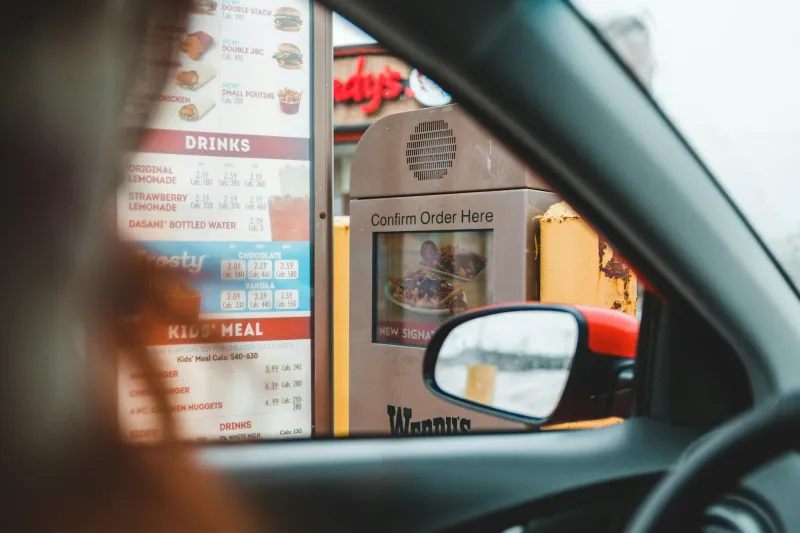
Pull up to any McDonald's, Taco Bell, or Chick-fil-A on a weekday afternoon and you'll find the same scene: a line of cars snaking around the building, engines idling, orders barked into a crackly speaker. It's so familiar it barely registers anymore. But the drive-through window — that small rectangle of convenience that now accounts for nearly 70% of fast food revenue in the United States — didn't start with a burger. It started with a deposit slip.
The Bank That Started It All
By the early 1930s, Americans were obsessed with their automobiles. Car ownership had exploded through the 1920s, and with it came a new cultural expectation: why get out if you don't have to? Businesses started noticing. Gas stations had always served customers at their windows. Carhops at drive-in restaurants brought food directly to parked vehicles. But nobody had yet figured out how to bring the transaction itself — the actual exchange of money and paperwork — to the car window.
In 1930, the City National Bank in Los Angeles opened what's widely credited as the first true drive-through bank lane, letting customers conduct basic transactions without leaving their vehicles. Other banks followed quickly. By the mid-1930s, a handful of banks across the country had installed purpose-built drive-through windows, some even using pneumatic tube systems to shuttle cash and documents back and forth. The idea was simple: people with cars didn't want to park them. Give the customer what they need at the window, and they'll keep coming back.
What nobody anticipated was that this small act of automotive convenience would eventually reshape the entire American food industry.
Red's Burger Stand and the First Food Window
The leap from banking to burgers took about two decades. In 1947, a burger stand called Red's Giant Hamburg in Springfield, Missouri started letting customers order and pick up food from their cars via a window on the side of the building. It wasn't glamorous — there was no speaker system, no menu board, just a window and a cook — but the concept worked. Customers loved it.
Around the same time, drive-in restaurants were already everywhere, with carhops delivering food to cars parked in the lot. But drive-ins required staff, space, and a lot of coordination. A single pickup window was cheaper, faster, and required far less labor. The economics were hard to argue with.
In-N-Out Burger, founded in Baldwin Park, California in 1948, is often cited as an early innovator here. The chain used a two-way speaker system to take orders from customers in their cars — a genuine technological step forward that streamlined the whole process. McDonald's, meanwhile, was still a carhop operation in those early years. The famous speedee service system they developed in the early 1950s was built around foot traffic, not car windows.
McDonald's Comes Around
McDonald's eventual dominance of the drive-through format is one of those strange historical reversals. The chain that now runs one of the most recognizable drive-through operations on earth was actually late to adopt it. The first McDonald's with a proper drive-through window didn't open until 1975, in Sierra Vista, Arizona — and the story behind it is oddly specific.
The location was near a military base, Fort Huachuca, and soldiers weren't allowed to leave their vehicles while in uniform. Rather than lose that customer base entirely, the franchise owner cut a hole in the wall and installed a window. It worked so well that McDonald's began rolling the format out systemwide almost immediately. Within a few years, the drive-through had become central to how the entire chain operated.
Why It Took Off When It Did
Timing matters in these stories, and the drive-through's real explosion happened in the late 1970s and 1980s for reasons that had as much to do with American life as with restaurant design. The interstate highway system was now fully built out. Suburban sprawl meant more people were commuting longer distances. Two-income households were becoming the norm, which meant less time for sit-down meals. The drive-through didn't just offer convenience — it offered a solution to a genuine time problem that millions of American families were suddenly facing.
Fast food chains recognized this and began competing aggressively on drive-through speed and efficiency. Wendy's, which opened its first drive-through in 1970, made it a core part of its identity early on. By the 1980s, the race was on to shave seconds off average service times, a competition that still drives (no pun intended) enormous investment in kitchen design, menu engineering, and technology today.
A Small Window With a Very Long Shadow
Today, some McDonald's locations do more than 70% of their total business through the drive-through. During the COVID-19 pandemic, when dining rooms closed across the country, drive-throughs became lifelines for the entire fast food sector — and for many chains, the experience of running drive-through-only operations accelerated changes in store design that are still playing out.
New formats are emerging: double-lane drive-throughs, drive-through-only locations with no dining room at all, and AI-powered ordering systems that recognize returning customers' preferences. The window keeps evolving.
But trace it all the way back and you end up in a bank parking lot in 1930s Los Angeles, where someone decided that a customer who didn't have to get out of their car was a customer who would definitely come back. That instinct — that small, practical bet on convenience — turned out to be one of the most durable ideas in American commercial history.