She Ran Out of an Ingredient. Then She Invented America's Favorite Cookie.
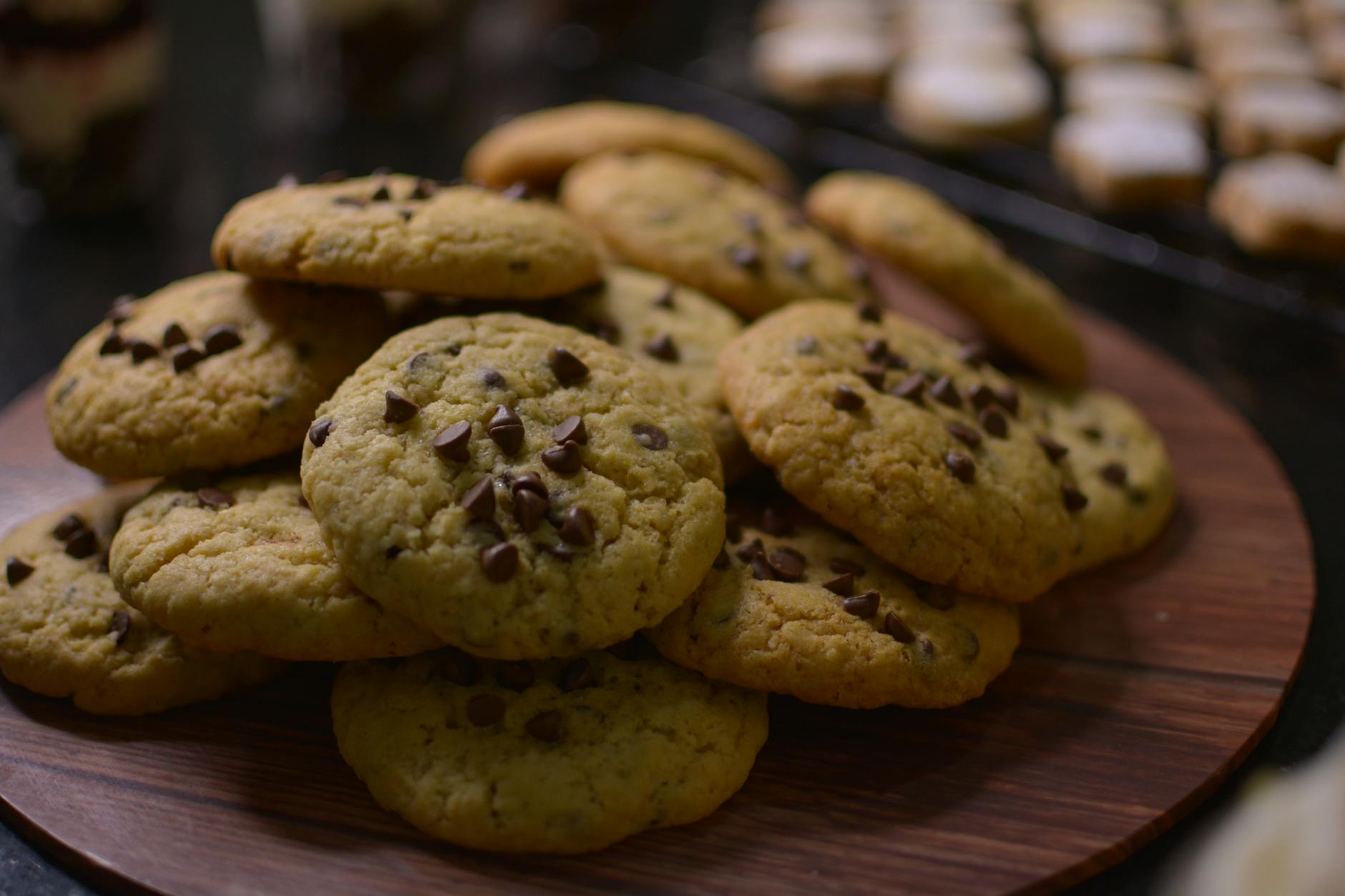
She Ran Out of an Ingredient. Then She Invented America's Favorite Cookie.
If you've ever pulled a warm tray of chocolate chip cookies out of the oven, you've participated in one of the most enduring kitchen traditions in American history. The chocolate chip cookie is, by most measures, the country's favorite — billions are baked every year, and the Toll House recipe is one of the most searched on the internet. But the origin of that recipe is surprisingly humble: a small inn in Whitman, Massachusetts, a baker who ran short on supplies, and a split-second decision that changed American baking forever.
The Inn Where It All Started
Ruth Graves Wakefield wasn't a hobbyist. She was a trained dietitian and food lecturer who, along with her husband Kenneth, purchased a tourist lodge called the Toll House Inn in 1930. The name came from the building's original function — it had served as a way station where travelers paid tolls and changed horses before continuing their journeys. By the time the Wakefields took it over, it was a well-regarded destination known for its home-cooked meals and from-scratch desserts.
Ruth was the creative force in the kitchen. She developed original recipes, paid close attention to what her guests enjoyed, and had a reputation for producing reliably excellent baked goods. Her cookies, in particular, were a point of pride.
The Moment the Recipe Was Born
The exact circumstances of the chocolate chip cookie's invention have been retold so many times that some details have blurred at the edges — but the most widely accepted account goes something like this: sometime in the 1930s, Ruth was preparing a batch of Butter Drop Do cookies, a colonial-era recipe that traditionally called for baker's chocolate, which melts fully into the dough. When she reached for the chocolate, she either didn't have enough of the right kind or decided to experiment, and instead broke up a bar of Nestlé's semi-sweet chocolate into small pieces, expecting them to melt and distribute evenly through the batter.
They didn't. The chocolate softened but held its shape, creating pockets of melted richness throughout each cookie rather than a uniform chocolatey dough. The result was something new — and, as her guests quickly confirmed, something better.
Whether the moment was pure accident or a calculated improvisation depends on who's telling the story. Ruth herself sometimes described it as intentional experimentation. But either way, the outcome was the same: a recipe that nobody had made before.
The Nestlé Deal That Made It Permanent
The Toll House cookie spread quickly through word of mouth and regional press coverage, and sales of Nestlé's semi-sweet chocolate bars reportedly spiked in New England as home bakers tracked down the specific ingredient Ruth had used. Nestlé took notice.
The company approached Wakefield and struck what has since become one of the more quietly lopsided deals in American food history. In exchange for the rights to print her Toll House cookie recipe on every package of Nestlé chocolate — a marketing arrangement that would run for decades — Ruth reportedly received a lifetime supply of Nestlé chocolate and a single dollar.
The deal made the recipe ubiquitous. By 1939, Nestlé had begun scoring their chocolate bars to make them easier to break into pieces for baking. A few years later, they introduced the pre-cut chocolate chip specifically designed for the recipe. The Toll House name became so synonymous with the cookie that it's still printed on Nestlé's chocolate chip bags today.
What Happened to Ruth
Ruth Wakefield continued running the Toll House Inn until 1966, when a fire destroyed the building. She sold the rights to the Toll House name to Nestlé and largely stepped back from public life. She died in 1977, well aware that her creation had become a fixture of American culture — though perhaps not fully compensated for what it had become.
Food historians have revisited her story with growing interest in recent years, noting that Ruth was a skilled, formally trained professional whose contribution was long treated as a charming domestic accident rather than a genuine culinary innovation. The framing of the "happy mistake" may have made the story more appealing, but it also quietly minimized the expertise behind it.
A Recipe That Refuses to Go Anywhere
Today, Americans consume an estimated seven billion chocolate chip cookies per year. The recipe has been adapted, elevated, and deconstructed by pastry chefs across the country — brown butter variations, sea salt finishes, frozen dough balls baked to order. And yet the original Toll House formula, still printed on the back of that familiar yellow bag, remains the benchmark everything else is measured against.
Not bad for a batch of cookies that wasn't supposed to turn out that way.