The Innocent Beginning
In 1889, the Gorham Manufacturing Company faced a familiar business problem: how to sell more silverware to Americans who already owned perfectly functional forks, knives, and spoons. Their solution seemed modest enough — create small, decorative spoons featuring local landmarks and sell them as travel mementos. The first batch depicted Niagara Falls, complete with tiny engravings of the famous waterfall on the handle.
 Photo: Niagara Falls, via c8.alamy.com
Nobody at Gorham predicted they were about to trigger one of the most intense collecting frenzies in American history.
When Collecting Became Compulsion
Within two years, souvenir spoon collecting had exploded into a nationwide obsession that made Pokemon cards look like a casual hobby. American women (and it was primarily women) were traveling hundreds of miles just to acquire spoons from specific cities. They built special display cabinets, subscribed to collecting catalogs, and formed clubs dedicated to trading and discussing their collections.
The numbers were staggering. By 1893, Gorham was producing over 100 different spoon designs. Competitors rushed into the market, creating spoons for every conceivable location, event, and anniversary. The World's Columbian Exposition in Chicago featured an entire pavilion dedicated to souvenir spoons, where visitors could purchase specially designed pieces commemorating their visit.
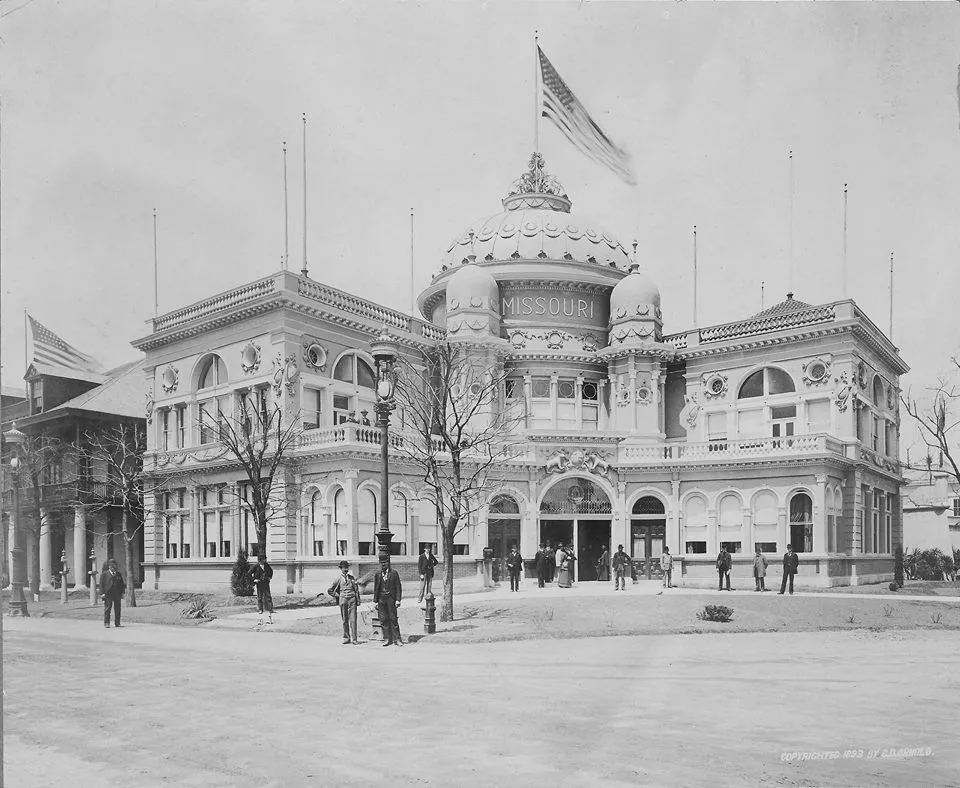 Photo: World's Columbian Exposition, via i.pinimg.com
Newspapers reported on women who owned collections numbering in the hundreds. The most dedicated collectors maintained detailed catalogs, complete with acquisition dates, prices paid, and rarity assessments. What had started as a simple travel souvenir had become a complex marketplace with its own internal economics.
The Perfect Cultural Storm
The souvenir spoon craze succeeded because it intersected with three major changes in American society. First, the expansion of the railroad network had made travel accessible to the middle class for the first time. Americans were visiting new places and wanted tangible proof of their journeys.
Second, the rise of women's clubs and social organizations had created communities of women with leisure time and disposable income. Spoon collecting provided a socially acceptable way to demonstrate both cultural sophistication and travel experience.
Third, the Industrial Revolution had made mass-produced decorative items affordable. What had once been luxury goods available only to the wealthy could now be purchased by anyone with a few dollars to spare.
The Catalog Culture
By 1894, specialized publications like "The Spoon Collector's Monthly" were reaching thousands of subscribers. These magazines featured detailed illustrations of new releases, price guides for rare pieces, and personal stories from collectors about their acquisition adventures.
The publications revealed the sophisticated ecosystem that had developed around spoon collecting. Collectors developed specialized vocabulary, rating systems for condition and rarity, and elaborate trading networks that spanned the continent. A spoon from the 1889 Paris Exposition might be traded for three pieces from different California missions, with the transaction negotiated through multiple letters and intermediaries.
The Geographic Expansion
As demand grew, spoon manufacturers began creating pieces for increasingly obscure locations. There were spoons for tiny railroad stops, local historical societies, and even individual hotels. The Antlers Hotel in Colorado Springs commissioned its own spoon design, as did the Grand Union Hotel in Saratoga Springs.
This geographic expansion revealed the democratic nature of the craze. Unlike European collecting traditions that focused on royal or religious artifacts, American spoon collecting celebrated the ordinary places where ordinary people lived and traveled. A spoon from Topeka, Kansas carried the same collecting value as one from Boston or New York.
The Inevitable Crash
By 1897, the market was showing signs of strain. Collectors complained that manufacturers were producing too many variations, making it impossible to maintain complete collections. The quality of newer pieces was declining as companies rushed to meet demand with cheaper production methods.
More importantly, the novelty was wearing off. What had seemed charming and sophisticated in 1891 was beginning to feel excessive and slightly ridiculous by 1898. Newspaper editorials began mocking the "spoon craze" as a waste of time and money.
The Spanish-American War of 1898 provided the final blow. Suddenly, collecting decorative spoons seemed frivolous compared to the serious business of international conflict. Patriotic sentiment shifted toward more substantial expressions of American identity.
The Quiet Ending
By 1900, the souvenir spoon market had collapsed almost completely. Collectors found themselves with hundreds of pieces that nobody wanted to buy or trade. The specialized magazines folded, the clubs disbanded, and the elaborate display cabinets were quietly moved to attics and spare rooms.
Gorham Manufacturing returned to producing traditional silverware. The company's archives contain almost no mention of the spoon craze that had driven their most profitable years of the 1890s. It was as if the entire phenomenon had been collectively forgotten.
The Collecting Impulse
The souvenir spoon craze offers a fascinating glimpse into the American collecting mentality that would later manifest in everything from baseball cards to Beanie Babies. The same psychological drivers that made spoon collecting irresistible — the thrill of completion, the social aspect of trading, the connection to travel and experience — continue to fuel collecting crazes today.
What makes the spoon phenomenon particularly American is its democratic character. Unlike European collecting traditions based on aristocratic heritage or religious significance, souvenir spoons celebrated the places where ordinary Americans lived, worked, and traveled. They turned the entire country into a collecting field, where every town and landmark was potentially valuable.
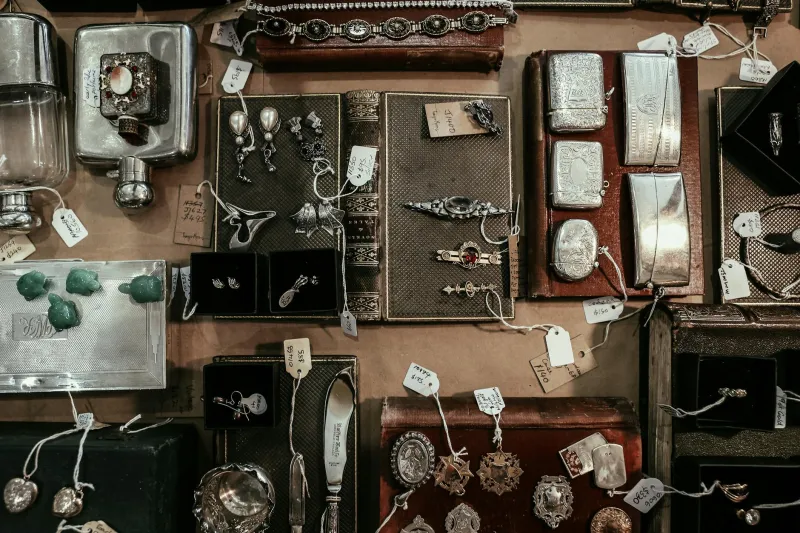
Today, those same spoons that once drove cross-country collecting expeditions can be found in antique shops and estate sales, usually priced at a few dollars each. They serve as tiny monuments to one of America's most intense and short-lived cultural obsessions — a reminder that the line between collecting and madness has always been thinner than we'd like to admit.