The Tooth Doctor Who Built America's Sweetest Addiction
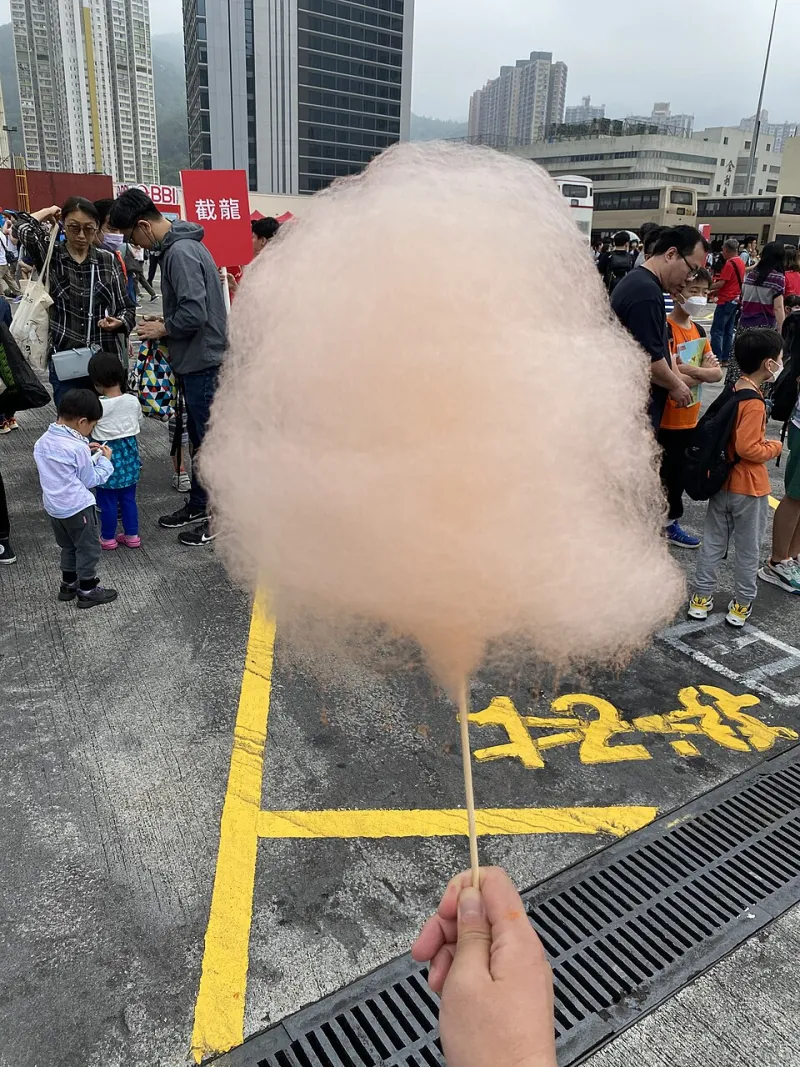
Photo: LN9267, CC BY-SA 4.0, via Wikimedia Commons
The Tooth Doctor Who Built America's Sweetest Addiction
There's a particular kind of American irony that only reveals itself once you know the backstory. The man who gave the country its most aggressively sugary snack — the kind that sticks to your face, dyes your tongue pink, and dissolves into a sticky film on your teeth — was a dentist. A practicing, patient-treating, cavity-filling dentist named William Morrison.
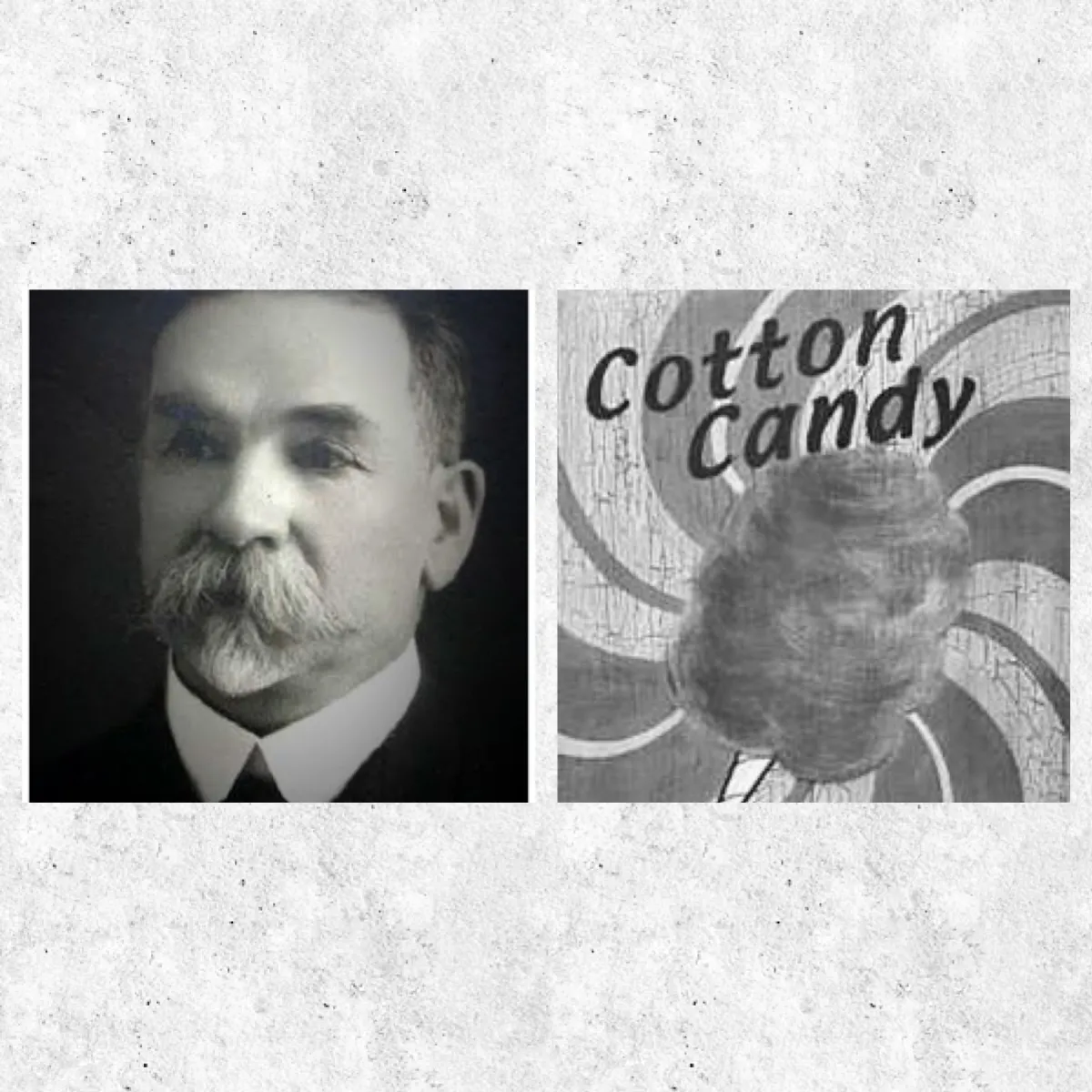 Photo: William Morrison, via i.pinimg.com
And he knew exactly what sugar did to teeth. That was, more or less, his whole job.
The Unlikely Partnership
By the mid-1890s, Morrison was a well-regarded figure in Nashville's social scene — not just a dentist, but a civic leader, a writer, and apparently someone with a lot of curiosity about confectionery. At some point, he struck up a friendship with John C. Wharton, a local candy maker. Together, the two men started tinkering with a machine that could melt sugar and force it through tiny holes using centrifugal force, spinning it into delicate, thread-like strands.
The concept of spun sugar wasn't brand new — European pastry chefs had been hand-pulling sugar threads for centuries as a decorative technique. But what Morrison and Wharton built in 1897 was a motorized version, a machine that could produce the stuff quickly and in quantity. They called their creation "Fairy Floss," which honestly sounds like something you'd find in a Victorian children's book, and they patented the machine the following year.
The treat was light, theatrical, and almost entirely without nutritional value. It was also, by any reasonable measure, the last thing a dentist should be promoting.
The World's Fair Moment
Fairy Floss might have stayed a Nashville curiosity if not for one of the greatest marketing opportunities of the early twentieth century: the 1904 Louisiana Purchase Exposition in St. Louis — what most people remember as the St. Louis World's Fair.
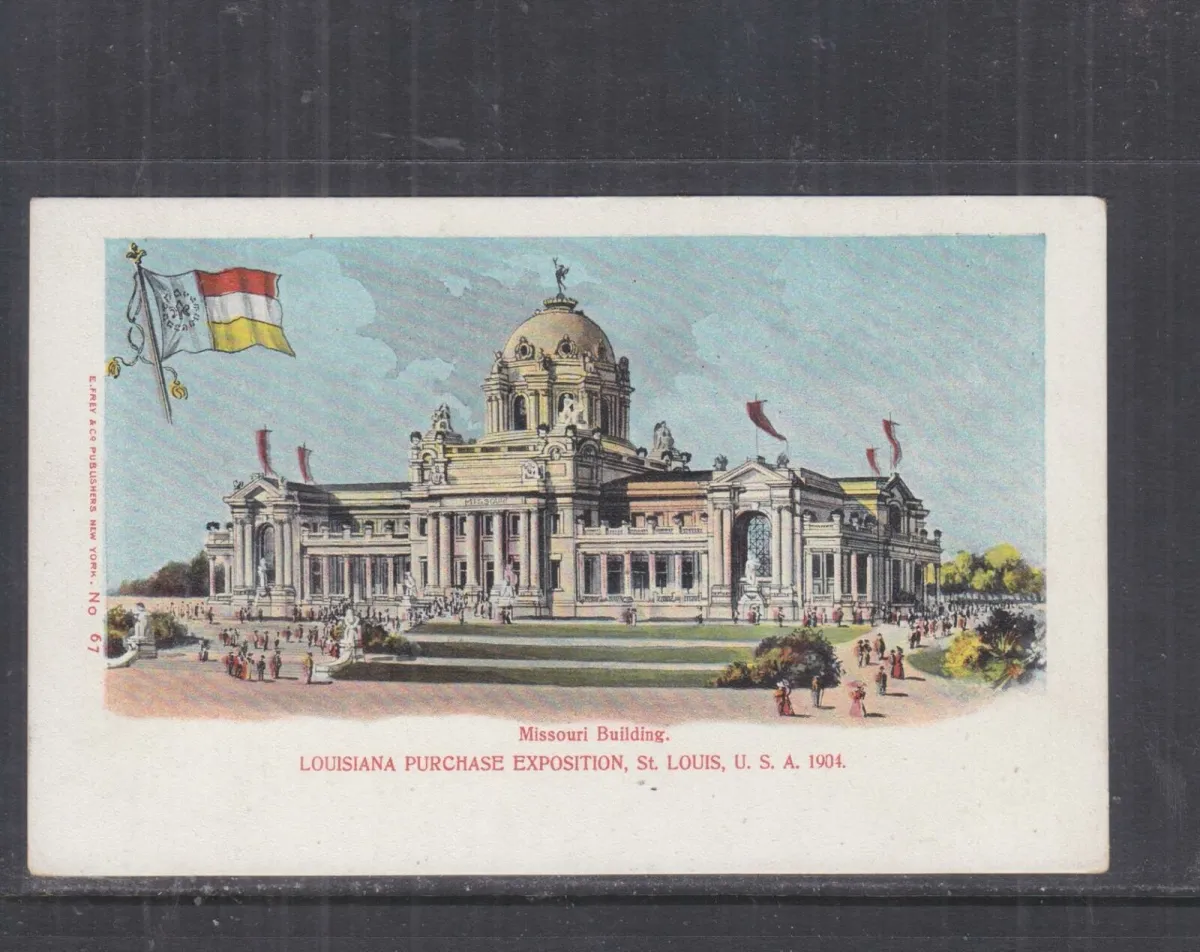 Photo: 1904 Louisiana Purchase Exposition, via storage.googleapis.com
Morrison and Wharton set up a booth and sold their spun sugar confection for twenty-five cents a box, which was a meaningful sum at the time. That didn't stop people from buying it. By the time the fair closed, they had sold roughly 68,500 boxes to curious fairgoers from across the country. Visitors who had never seen anything like it carried the memory home with them, and the idea spread.
World's fairs in that era functioned as the internet of their day — places where new ideas got their first national audience. The 1904 fair alone introduced Americans to the ice cream cone, the hot dog bun, and iced tea as a mainstream drink. Fairy Floss fit right into that tradition of novelty foods that felt almost impossibly modern.
How the Carnivals Claimed It
After the fair, spun sugar moved steadily into traveling carnivals and amusement parks, which were proliferating rapidly across the country in the early 1900s. These were environments built around spectacle and sensation, and a food that looked like it had been plucked from a cloud was a natural fit.
Carnival vendors weren't particularly concerned with branding consistency, so the treat accumulated different names depending on where you encountered it. "Fairy Floss" gave way to "Spun Sugar" in some regions, and eventually — sometime around the 1920s — "Cotton Candy" emerged as the name that stuck in the American vernacular. The term was vivid and descriptive in a way that made immediate sense to anyone who saw it: it really did look like cotton, if cotton were pink and edible.
The color, incidentally, wasn't part of the original design. Early spun sugar was closer to white or pale yellow, reflecting the natural color of caramelized sugar. Pink became the default somewhere along the way — probably because it photographed well, stood out against the visual noise of a carnival midway, and frankly just looked more fun. Today, most people would struggle to imagine cotton candy in any other color, even though there's no flavor reason for it whatsoever.
The Machine Gets an Upgrade
For the first half of the twentieth century, cotton candy production was still a relatively labor-intensive process, and the machines were finicky. That changed in 1972, when a new automated cotton candy machine was introduced — one that could spin, shape, and even bag the product with minimal human involvement. This made it practical to sell at movie theaters, sporting events, and grocery stores, not just fairgrounds.
The expansion into new venues didn't really change cotton candy's cultural identity, though. It remained stubbornly associated with childhood, summer, and the specific atmosphere of a place where there are also rides and games and the smell of fried food. That association proved to be part of its durability. Cotton candy isn't just a snack — it's a prop in a particular American memory.
The Dentist's Legacy
William Morrison died in 1926, having spent the last decades of his life as a respected Nashville civic figure. His dental practice and his cotton candy machine were equally real parts of his biography, and neither one seems to have troubled him as a contradiction.
Maybe it shouldn't. Morrison wasn't naive about sugar — he was a scientist of sorts, curious about what materials could do when you applied the right process to them. Spinning sugar into weightless threads was a genuine feat of applied physics, even if the result was something that made dentists everywhere wince.
What he probably didn't anticipate was that his machine would become a permanent fixture of American childhood — that a century later, kids at county fairs from Vermont to Arizona would be pressing their faces into pink clouds of spun sugar and walking away with sticky fingers and dyed lips, completely unaware that the whole thing started with a Nashville tooth doctor who apparently had a complicated relationship with his own profession.
The backstory is almost too good to be made up. But that's usually how the best ones go.