The Kid Who Left His Drink Outside and Changed American Summers Forever
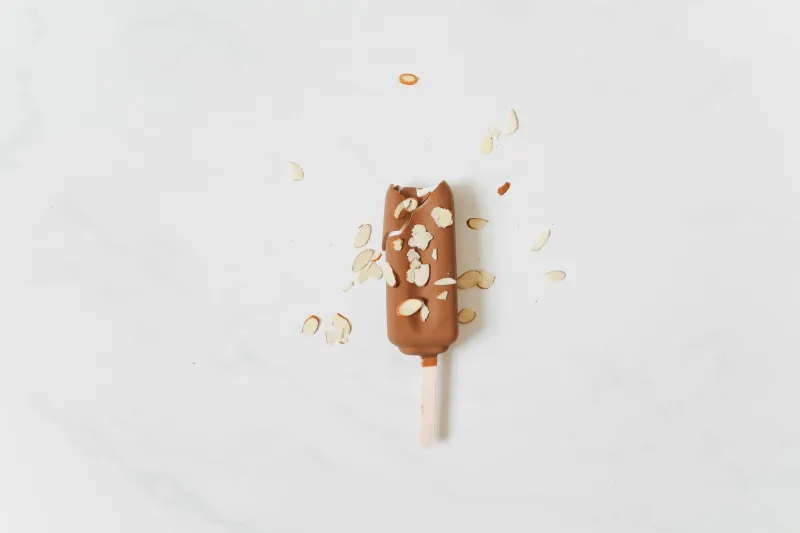
Every summer, Americans buy roughly 2.6 billion popsicles. They're handed out at Little League games, melting down wrists at county fairs, and stacked in freezers across the country in flavors that range from cherry red to something called "tropical punch" that doesn't correspond to any fruit found in nature. It's one of those things so familiar it barely registers as an invention at all.
But it was. And it started with a child who forgot to bring his drink inside.
A Cold Night in San Francisco
In the winter of 1905, an eleven-year-old named Frank Epperson was mixing himself a fruit-flavored powder drink on the porch of his San Francisco home. The drink was a popular homemade concoction of the era — fruit powder stirred into water — and Frank had left the glass outside with a wooden mixing stick still standing in it. That night, the temperature dropped unusually low for the Bay Area. By morning, the whole thing had frozen solid around the stick.
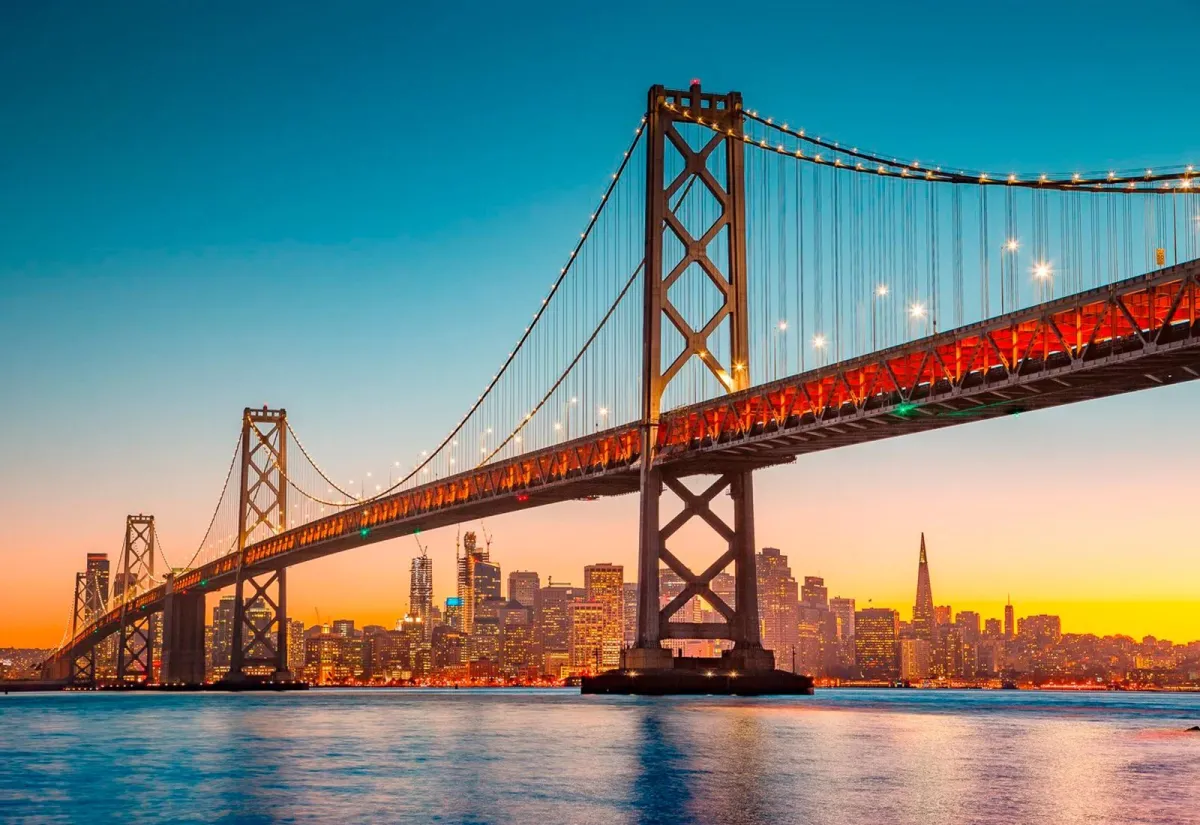 Photo: San Francisco, via images.contentstack.io
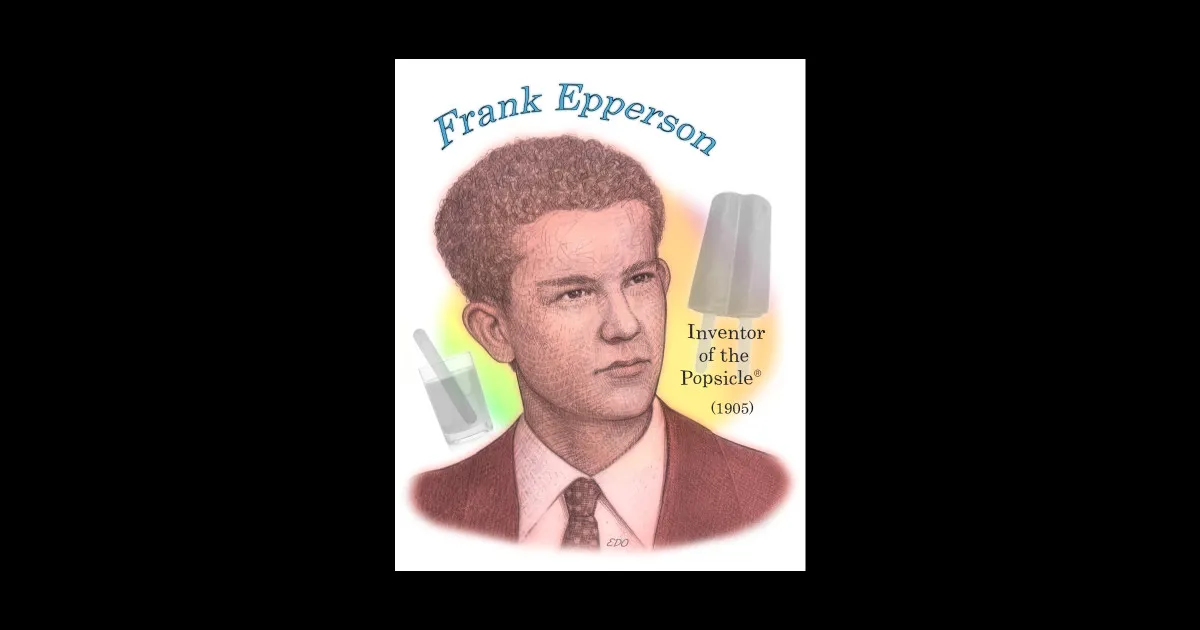 Photo: Frank Epperson, via res.cloudinary.com
What Frank pulled out of that glass the next morning was, by any reasonable definition, a popsicle. He showed his friends. They thought it was great. Then life moved on.
For eighteen years, the idea sat dormant.
That's not unusual, historically speaking. Plenty of accidental discoveries get noticed, appreciated in the moment, and then filed away under "neat trick" before anyone figures out what to do with them. Frank Epperson was eleven years old and had no particular reason to think his frozen fruit stick was going to become a commercial product. So he didn't pursue it.
The Long Wait
By the early 1920s, Epperson was a grown man living in Oakland with a family. He'd carried the memory of that frozen drink for nearly two decades, and somewhere along the way he started making them again — this time deliberately, and for his kids. They loved them. His neighbors' kids loved them. He brought a batch to a fireman's ball in 1922 and they disappeared almost immediately.
That was the nudge he needed. In 1923, Epperson applied for a patent. He called his invention the Epsicle — a mashup of his own last name and the word "icicle." The patent was granted in 1924, and he began selling them at Neptune Beach, an amusement park in Alameda, California that was sometimes called the "Coney Island of the West." They were a hit from the start. Kids lined up. Adults bought them on impulse. The Epsicle was a simple, cheap, cold thing on a hot day, and that combination is basically undefeatable.
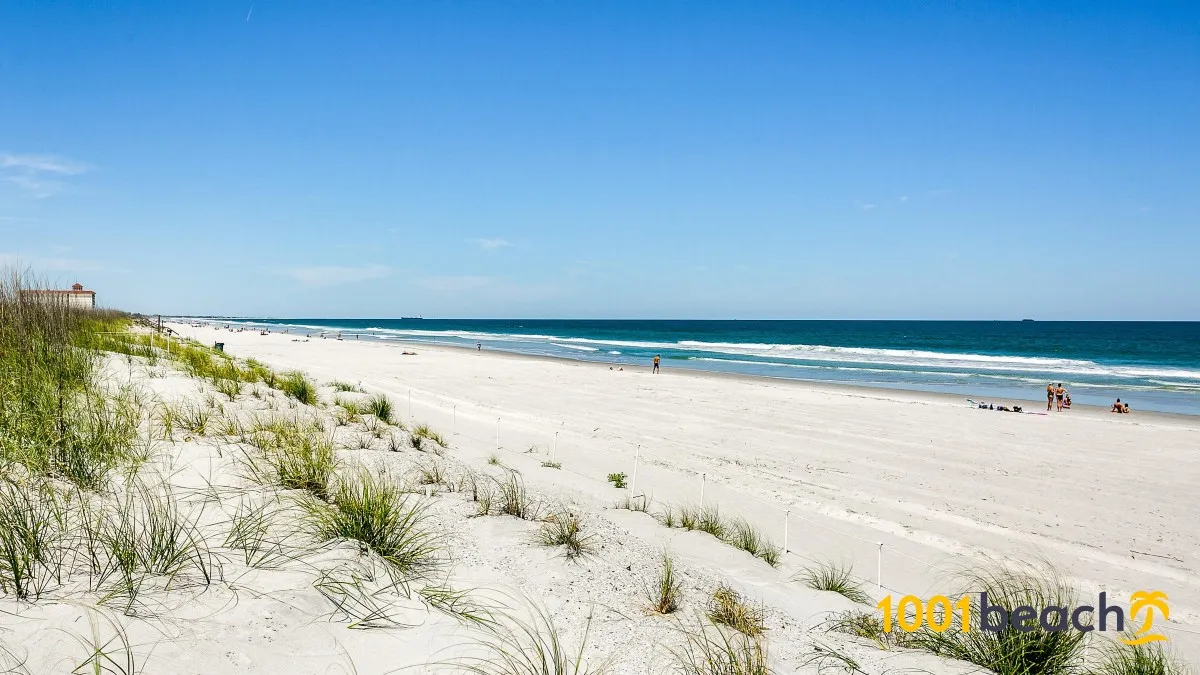 Photo: Neptune Beach, via 1001beach.com
His own children, the story goes, started calling them "Pop's sicles" — dad's icicles. The nickname stuck around the family, and Epperson eventually leaned into it. The product was rebranded the Popsicle, and the name felt right in a way "Epsicle" never quite had.
The Sale He Probably Regretted
Here's where the story takes a turn that will feel familiar to anyone who's followed the history of American invention: the guy who came up with the idea didn't end up owning it for long.
In 1925, facing serious financial difficulties, Epperson sold the rights to the Popsicle to the Joe Lowe Company of New York. He needed the money. It was a practical decision made under pressure, the kind that gets made constantly throughout economic history, and the kind that tends to look much worse in hindsight than it did at the time.
The Joe Lowe Company scaled the Popsicle up aggressively. They pushed it through the Great Depression as an affordable luxury — two sticks joined together, sold for a nickel, designed so that kids could break it in half and share with a friend. That two-stick design wasn't just clever marketing; it was a Depression-era acknowledgment of economic reality, and it made the Popsicle feel like something generous rather than something meager.
Epperson's name, meanwhile, faded almost entirely from the product's story.
What a Frozen Stick on a Porch Actually Built
The Popsicle's commercial history after Epperson is long and corporate — it passed through several owners, survived trademark disputes, and eventually landed with Unilever, which still owns the brand today. Dozens of imitators followed: the Creamsicle, the Fudgsicle, the Dreamsicle, the ice pop in its hundreds of generic variations sold under store brands across the country.
But what makes Epperson's original accident worth remembering isn't the business history. It's the particular way the invention happened — a child, a cold night, a forgotten drink — and the equally particular way it almost didn't happen at all. Eighteen years passed between the accident and the patent. Most accidental discoveries don't survive that kind of delay. This one did because the idea was simple enough to reconstruct from memory, and good enough that people kept responding to it the same way Frank's friends did on that San Francisco porch.
Somewhere in the gap between the accident and the patent, Epperson must have known he had something. He just didn't know what to do with it yet.
This summer, when you peel the paper off a popsicle and the first cold hit of artificial cherry flavor lands, you're tasting the end result of a boy's carelessness, a long period of nothing happening, and one fireman's ball where the frozen treats ran out before the night did. Frank Epperson sold the rights and lost his name from the product. But the accident that started everything — that part, at least, was entirely his.