Why Your Romantic Honeymoon Actually Started as a Viking Kidnapping Ritual
The Romance That Wasn't
Every year, millions of American newlyweds pack their bags for honeymoon destinations, assuming they're participating in a timeless romantic tradition. The reality is far stranger. The honeymoon has nothing to do with romance and everything to do with ancient kidnapping protocols, strategic beer consumption, and a Victorian-era marketing campaign that nobody ever questioned.
The word "honeymoon" itself reveals the practice's bizarre origins. It comes from the Norse tradition of abducting brides and then hiding out for exactly one full moon cycle while consuming mead—fermented honey wine—until the woman's family stopped looking for her.
This wasn't romance. This was a calculated waiting period designed to outlast pursuing relatives.
When Marriage Meant Abduction
In medieval Scandinavia and Northern Europe, "marriage by capture" was a common practice, especially among the warrior classes. A man would literally kidnap the woman he wanted to marry, often with the help of his closest friend—the original "best man," whose job was to help fight off the bride's family during the escape.
Once the abduction was successful, the couple would disappear into hiding for one complete lunar cycle. During this month, they would consume nothing but mead, which was believed to promote fertility and help the bride "adjust" to her new circumstances. The honey-based alcohol served multiple purposes: it was a mild sedative, it was readily available, and it could be stored without spoiling during the month-long hideout period.
The logic was grimly practical. If the bride's family couldn't find the couple within a month, they would typically give up the search and accept the marriage as legitimate. By the time the couple emerged from hiding, any pregnancy would be far enough along to make the union permanent.
The Calendar of Fermented Patience
The "moon" part of honeymoon wasn't poetic—it was a precise timing mechanism. One lunar cycle provided just enough time for families to exhaust their search efforts while giving the couple a chance to establish their new relationship away from outside interference.
Mead wasn't chosen randomly, either. Honey was expensive and considered sacred in many Northern European cultures, associated with fertility gods and harvest celebrations. Consuming it for an entire month was both a luxury and a ritual, designed to sanctify the forced union through shared intoxication.
Interestingly, the practice required significant advance planning. The groom had to stockpile enough mead to last thirty days, identify a secure hiding location, and coordinate with allies who could provide protection if the bride's family tracked them down. This wasn't a spontaneous romantic gesture—it was a military operation with a very specific timeline.
How Victorian Marketers Sanitized Kidnapping
The transformation from abduction ritual to romantic getaway happened gradually as European marriage customs evolved away from capture-based unions. By the 1800s, most marriages were arranged through negotiation rather than kidnapping, but the honeymoon tradition persisted as a vaguely understood custom.
Victorian society was simultaneously fascinated and horrified by its own barbaric past. Rather than abandon the honeymoon entirely, they chose to reinterpret it through the lens of contemporary romantic ideals. The month-long hiding period became a "private retreat for newlyweds to become acquainted." The mead consumption became "celebrating their union." The strategic timing became "beginning their new life together."
This sanitized version of the honeymoon perfectly aligned with Victorian notions of proper courtship, where couples often married after minimal interaction. A post-wedding retreat gave socially acceptable cover for physical intimacy while maintaining the tradition's essential structure.
The Railroad Companies' Brilliant Discovery
The honeymoon might have remained a quaint European custom if not for American railroad companies in the late 1800s. These businesses faced a classic problem: their passenger trains were packed during business travel periods but nearly empty during off-peak times.
Someone in the railroad industry realized that newlyweds represented an untapped market segment. Unlike business travelers, couples getting married could be convinced to travel during slow periods. Unlike families, they didn't require special accommodations for children. Unlike leisure travelers, they had a specific reason to spend money on luxury amenities.
Railroad companies began marketing "honeymoon packages" that included transportation, hotel accommodations, and guided tours of scenic destinations. They promoted these trips as essential to a proper marriage, borrowing the romantic language that Victorians had already attached to the honeymoon concept.
The strategy worked brilliantly. By 1900, taking a honeymoon trip had become standard practice among middle-class Americans, driven not by ancient tradition but by aggressive marketing from transportation companies looking to fill empty seats.
Niagara Falls and the Geography of Romance
American railroad companies didn't just sell honeymoon travel—they actively created honeymoon destinations. Niagara Falls became the archetypal honeymoon spot not because of its natural romantic appeal, but because it was conveniently located along major rail routes and offered hotels willing to provide package deals.
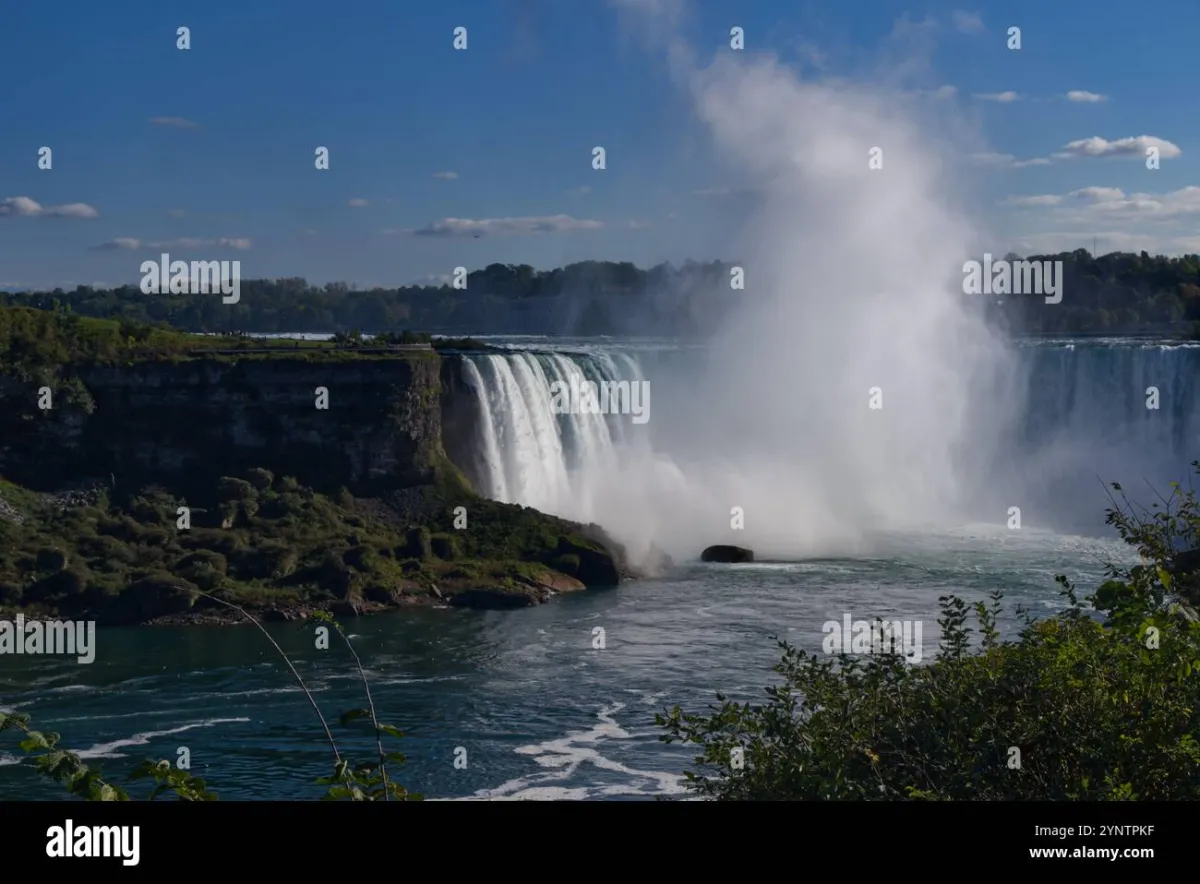 Photo: Niagara Falls, via c8.alamy.com
The falls themselves were marketed as a symbol of natural power and eternal commitment, but the real reason couples went there was practical: it was easy to reach, relatively affordable, and the tourism infrastructure was already built around short-term visitors.
Other destinations followed the same pattern. The Pocono Mountains, the Finger Lakes region, and various coastal resorts all developed honeymoon marketing specifically designed to capture the railroad travel market.
 Photo: Finger Lakes, via www.tripsavvy.com
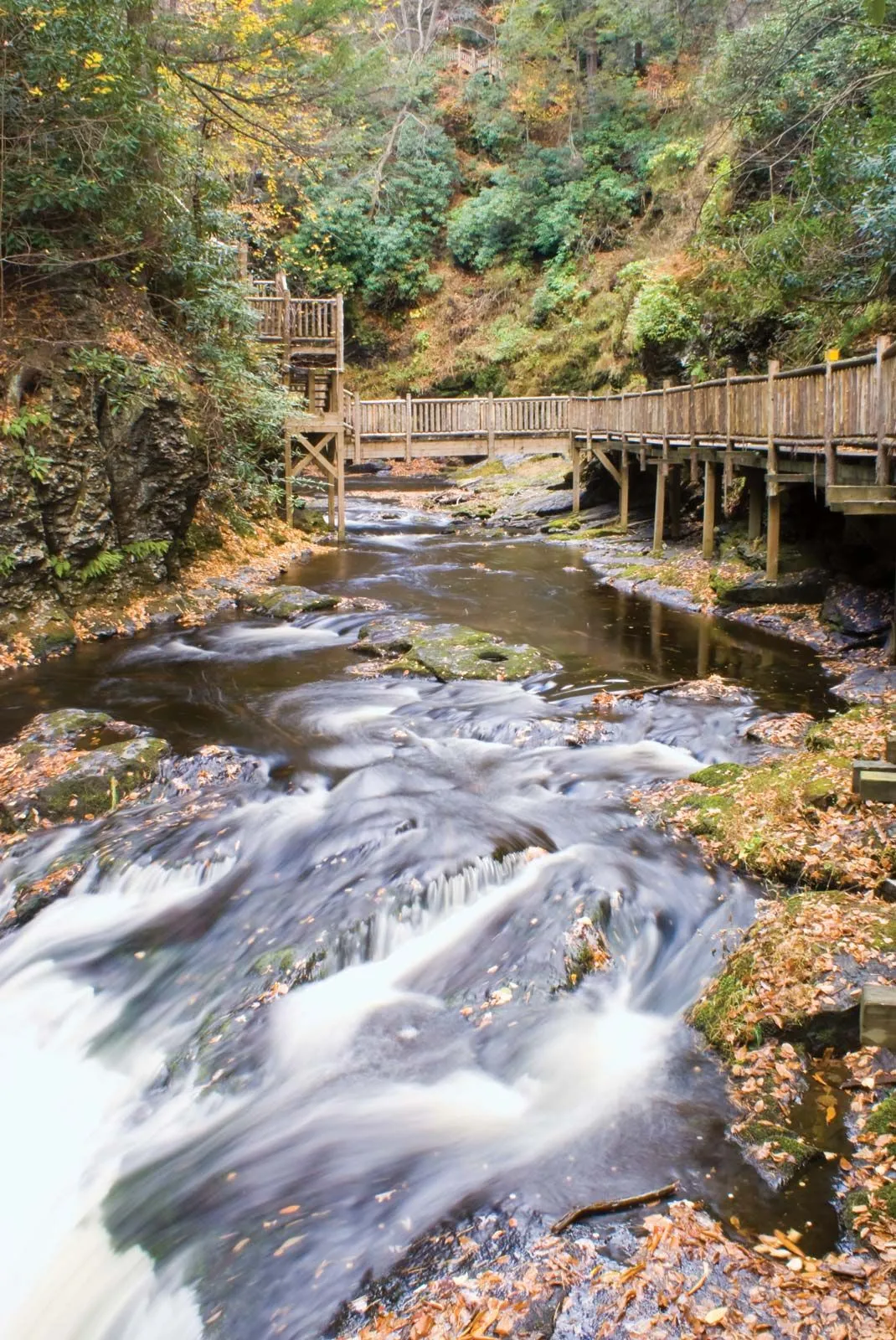 Photo: Pocono Mountains, via cdn.britannica.com
The Tradition Nobody Questions
Today's honeymoon industry generates over $12 billion annually in the United States alone, built on a foundation that most participants don't understand. Modern couples spend thousands of dollars on exotic destinations and luxury accommodations, believing they're honoring a romantic tradition that actually began with strategic kidnapping and forced intoxication.
The irony is that contemporary honeymoons have more in common with their Viking origins than most people realize. They're still about temporary isolation from family and social obligations. They still involve conspicuous consumption of alcohol. They still mark a transition period between single and married life.
The main difference is that modern couples choose their own hiding spots, and nobody has to worry about armed relatives tracking them down. But the essential structure remains the same: newlyweds disappearing together for a predetermined period, consuming luxury goods, and emerging as an officially recognized couple.
Every time you see a "Just Married" sign on a car heading to the airport, you're witnessing the modern descendant of a thousand-year-old kidnapping protocol that got rebranded by Victorian moralists and sold to Americans by railroad companies with empty passenger cars.