How One Bottle of Mexican Peppers Accidentally Created America's Hot Sauce Empire
The Soldier's Souvenir That Changed Everything
In 1865, a Union soldier named Maunsel White returned from the Mexican-American War with something more valuable than military stories—a single bottle of fiery Mexican pepper sauce tucked away in his knapsack. White had developed a taste for the heat during his time stationed in Mexico, and when he settled back into civilian life in Louisiana, he couldn't find anything remotely close to what he'd experienced south of the border.
What happened next would accidentally launch America's obsession with hot sauce, though it took a banker with too much time on his hands to make it happen.
When Banking Got Boring
Edmund McIlhenny wasn't supposed to be in the pepper business. He was a successful New Orleans banker who had married into the Avery family, owners of Avery Island—a salt dome rising out of the Louisiana marshlands. But the Civil War had devastated the South's economy, and by 1868, McIlhenny found himself with a failing bank and a lot of empty time on his hands.
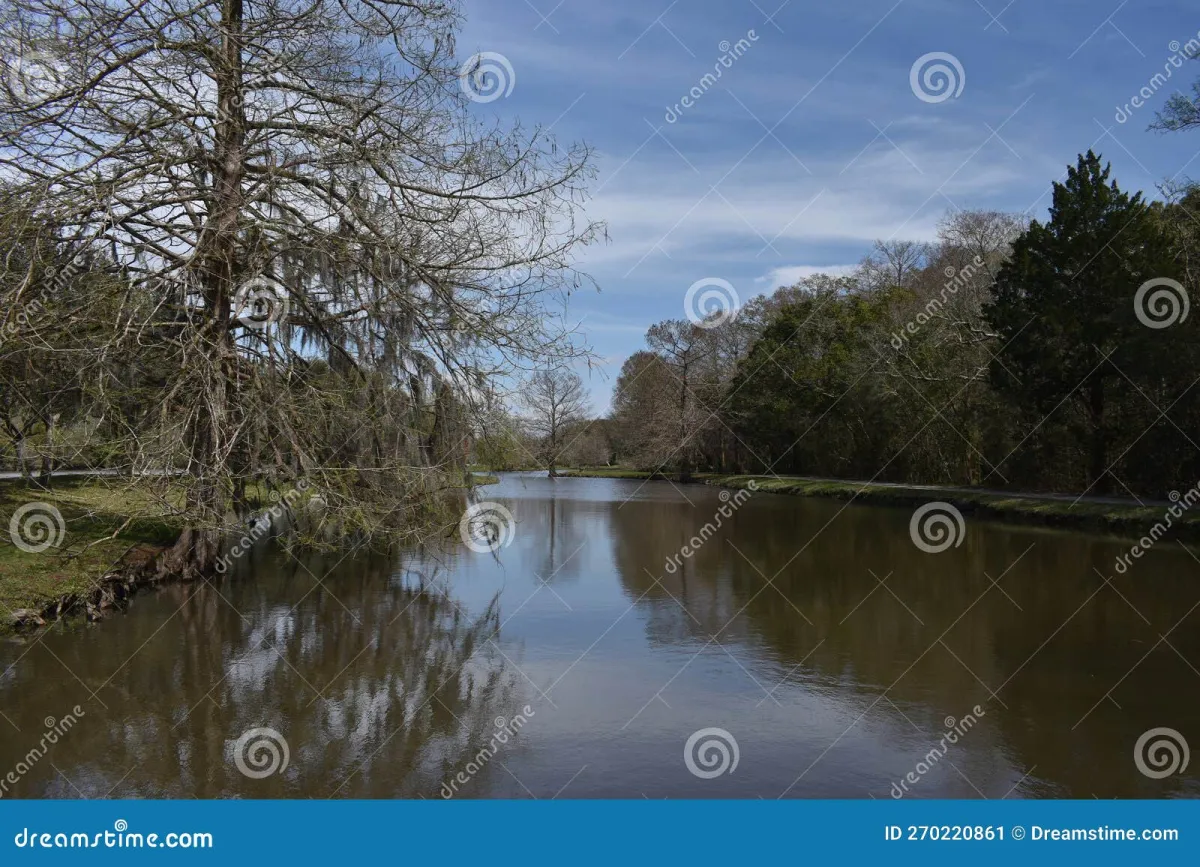 Photo: Avery Island, via thumbs.dreamstime.com
That's when he encountered White's pepper sauce.
McIlhenny tasted it once and became obsessed. The problem was that White wasn't sharing his recipe, and the original Mexican source was hundreds of miles away across hostile territory. So McIlhenny did what any determined amateur would do—he tried to reverse-engineer the entire thing from scratch.
The Accidental Food Scientist
McIlhenny's approach was methodical in a way that would make modern food scientists proud, though he was essentially flying blind. He started by growing different varieties of peppers on Avery Island, testing each one for heat levels and flavor profiles. The breakthrough came when he discovered that Capsicum frutescens—the same pepper used in the Mexican sauce—could actually thrive in Louisiana's humid climate.
But growing the peppers was only half the battle. The real challenge was the fermentation process.
McIlhenny spent months experimenting with different aging techniques, trying to recreate that distinctive tangy heat he remembered from White's bottle. He aged his pepper mash in old whiskey barrels, adjusting the salt content and fermentation time until he finally produced something that matched his memory of the original.
The irony is that McIlhenny's "stolen" recipe probably ended up being better than the original Mexican version. His Louisiana climate and the island's natural salt deposits created ideal conditions for fermentation that couldn't be replicated anywhere else.
The Bottle Came Before the Business
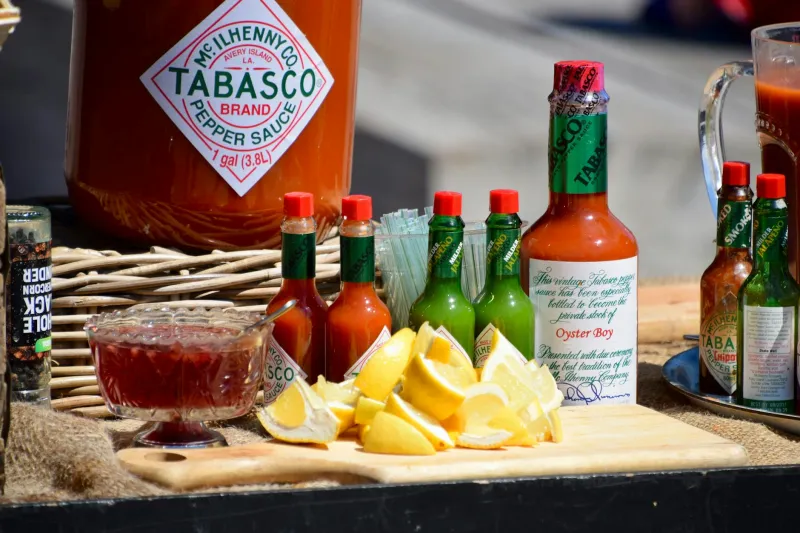
Here's where the story gets even stranger: McIlhenny patented his distinctive bottle design before he'd even finalized his recipe. In 1869, he filed paperwork for those small, narrow-necked bottles that would become synonymous with Tabasco sauce. He was thinking about portion control and shelf life, but he was also protecting what he suspected might become valuable intellectual property.
McIlhenny's first commercial batch consisted of 350 bottles, each hand-filled and sealed with green wax. He sold them for $1 each to local grocers—a premium price that reflected both the novelty and the labor-intensive production process. The sauce was an immediate hit, partly because nothing else like it existed in American markets.
From Louisiana Curiosity to National Obsession
What transformed McIlhenny's local experiment into a national phenomenon was timing. The late 1800s marked the beginning of America's fascination with "exotic" flavors, driven partly by increased immigration and partly by the country's growing confidence as a global power. Americans were ready to try foods that would have seemed impossibly foreign just a generation earlier.
Tabasco sauce hit the market just as American tastes were expanding beyond traditional European flavors. The sauce offered a controlled way to experience heat—intense enough to feel adventurous, but predictable enough to feel safe. McIlhenny had accidentally created the perfect gateway drug for America's eventual love affair with spicy food.
By the 1880s, Tabasco was being shipped across the country, and McIlhenny had built a factory on Avery Island that could produce thousands of bottles per month. The company's marketing emphasized the sauce's "authentic" origins, though they conveniently omitted the part about reverse-engineering a Mexican recipe.
The Pepper That Rewrote American Taste
The real legacy of McIlhenny's stolen recipe isn't just Tabasco sauce itself—it's how that one bottle of Mexican peppers quietly reshaped American expectations about food. Before Tabasco, most American cuisine was notably mild, reflecting Northern European traditions that valued subtlety over heat.
Tabasco changed that equation by making heat accessible and consistent. Unlike fresh peppers, which varied wildly in intensity, McIlhenny's sauce delivered the same level of fire every time. This reliability allowed Americans to gradually build up their tolerance for spicy food without the risk of accidentally overwhelming their palates.
Today, the average American consumes exponentially more spicy food than their 19th-century counterparts, and much of that shift can be traced back to McIlhenny's patient experimentation with a stolen recipe. That single bottle of Mexican pepper sauce, smuggled home in a soldier's knapsack, accidentally launched an entire industry that now generates billions of dollars annually.
The next time you reach for hot sauce—any hot sauce—you're participating in a tradition that began with one man's determination to recreate a flavor he couldn't forget, using peppers he didn't originally own, in a place that wasn't supposed to be able to grow them.