How a Bottle of Surgical Soap Convinced America Its Breath Was a Social Emergency

Open almost any American medicine cabinet and you'll find it: that flat bottle of aggressively colored liquid that burns just enough to feel like it's doing something. Listerine is so embedded in the daily ritual of American hygiene that it's hard to imagine mornings without it. But the story of how it got there is less about dental science and more about one of the most audacious marketing maneuvers in commercial history — a campaign that didn't just sell a product. It sold Americans a problem they hadn't previously considered a problem at all.
Born in a Lab, Not a Bathroom
In 1879, a St. Louis chemist named Joseph Lawrence was working on something with no connection whatsoever to your toothbrush. Lawrence was trying to develop a surgical antiseptic — something that could be used during medical procedures to reduce the risk of infection. He named the resulting formula after Joseph Lister, the British surgeon who had pioneered the concept of antiseptic surgery a decade earlier. The product worked reasonably well for its intended purpose. Lawrence licensed it to a local pharmacist named Jordan Wheat Lambert, and the Lambert Pharmacal Company began producing it for the medical market.
 Photo: St. Louis, via cdn.britannica.com
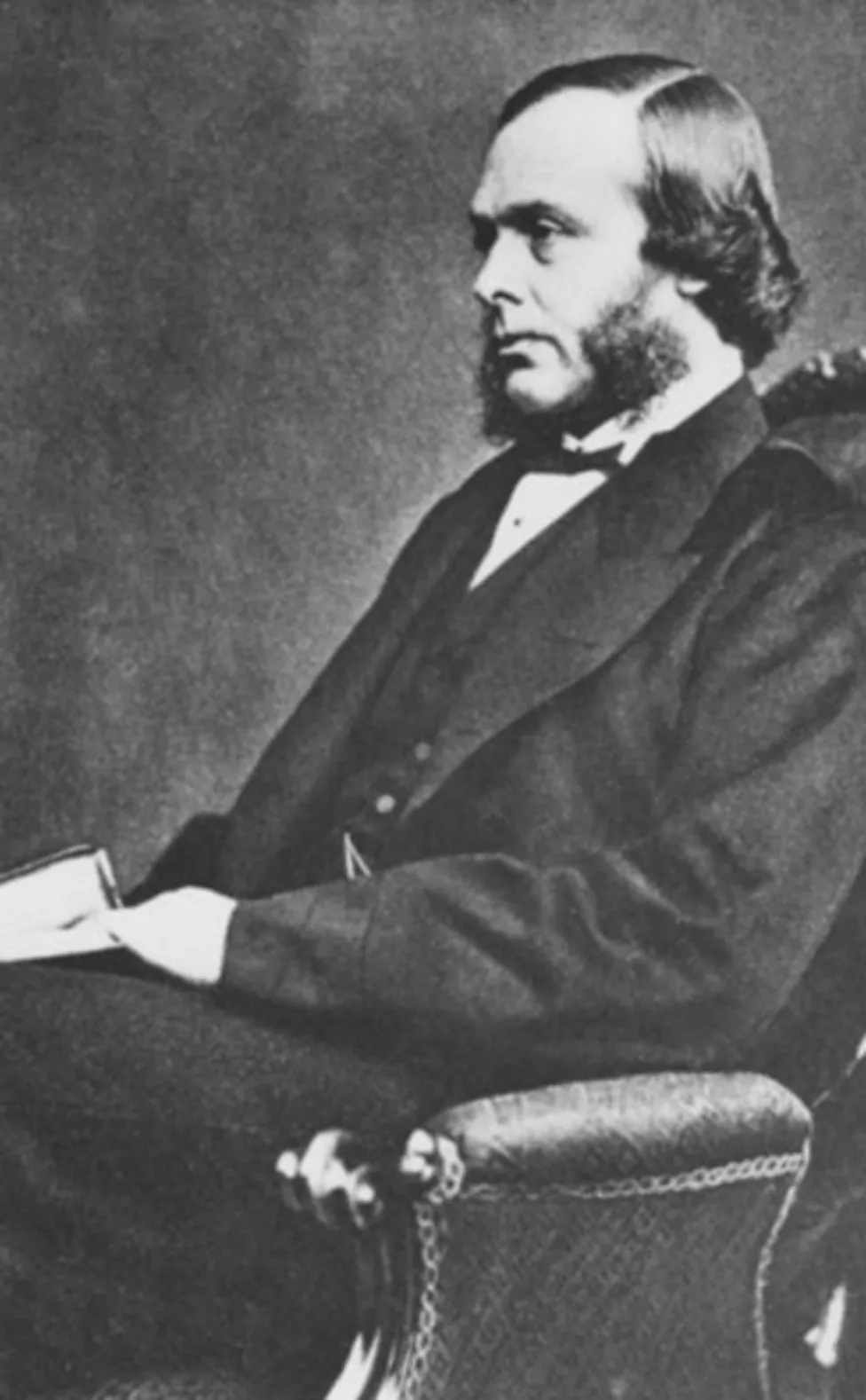 Photo: Joseph Lister, via ichef.bbci.co.uk
 Photo: Joseph Lawrence, via akamai.sscdn.co
For the next several decades, Listerine had a restless, slightly chaotic commercial life. It was pitched as a treatment for gonorrhea. It was marketed as a floor cleaner. It was sold as a cure for dandruff. At one point, it was even suggested as a safe alternative to use in cooking. None of these directions caught fire. The company kept searching.
The Word Nobody Was Using
The pivot that changed everything came in the early 1920s, when the Lambert company's advertising team began looking for a way to market Listerine directly to everyday consumers rather than to hospitals and pharmacies. They landed on a concept that, in retrospect, looks almost comically cynical — but was, in practice, genius.
They started running ads about halitosis.
Halitosis was a real medical term, but it was almost entirely unknown outside clinical settings. Most Americans in 1920 didn't walk around worried about the social consequences of their breath. Bad breath was something that happened; it wasn't yet a source of shame or a threat to one's social standing. The Lambert team understood that to sell a mouthwash, they didn't need to improve a product. They needed to manufacture an anxiety.
The ads they ran were remarkable for their emotional brutality. One famous campaign showed a young woman sitting alone at a social event, friends drifting away, romantic prospects vanishing — all because of a condition she was unaware she had. The tagline that accompanied many of these ads was devastating in its simplicity: "Even your best friends won't tell you." The implication was clear: everyone around you already knew. You were the last to find out.
Selling the Cure by Selling the Fear
The strategy worked with a speed that surprised even the people running it. Between 1922 and 1929, Listerine's annual sales jumped from around $115,000 to more than $8 million. Americans weren't just buying a product — they were buying relief from a social terror that the ads had installed in them almost overnight. Lambert's approach became a textbook case studied in marketing programs for the rest of the century.
What made the campaign particularly effective was its deployment of clinical-sounding language. Words like "halitosis" gave the problem a medical legitimacy that made it feel real and serious, even to people who had never once worried about it before. The product didn't change. The chemical formula that Joseph Lawrence had developed in 1879 remained essentially the same. What changed was the story wrapped around it — a story about social failure, personal embarrassment, and the invisible barrier between you and the life you deserved.
The Anxiety That Outlasted the Ads
Decades after those original campaigns ran, the anxiety they created is still very much alive. Americans spend billions of dollars annually on mouthwash, breath mints, chewing gum, and related products. The idea that your breath is something to be managed, monitored, and corrected before you interact with other people is now so deeply embedded in American culture that it feels like common sense rather than a manufactured concern.
Dentists will tell you that good oral hygiene is genuinely important, and that's not nothing. But the specific social terror of being the person in the room with bad breath — the fear of being quietly judged, of having friends who won't tell you — that particular flavor of anxiety was largely assembled in a St. Louis advertising office in the early 1920s.
Joseph Lawrence set out to help surgeons keep wounds clean. He ended up, through a long chain of commercial accidents and one spectacularly effective rebranding, reshaping how Americans relate to their own bodies. The formula in that flat bottle hasn't changed much since 1879. The story around it, though, has been doing heavy lifting ever since.