The Paper Square That Launched a Thousand Companies: Why America's Biggest Ideas Still Start on Napkins
The Myth That Won't Die
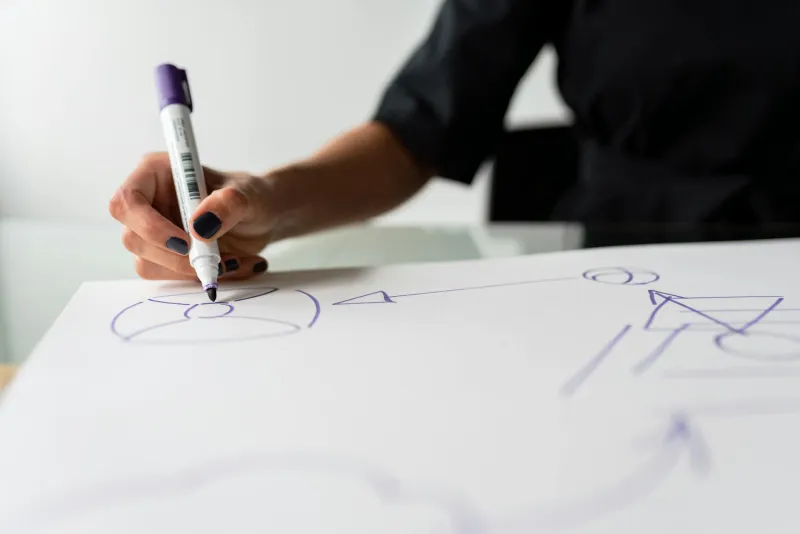
Herb Kelleher and Rollin King were sitting in a San Antonio bar in 1967 when they sketched three cities on a cocktail napkin—Dallas, Houston, and San Antonio—connected by simple lines. That napkin supposedly launched Southwest Airlines, which would go on to revolutionize American air travel.
 Photo: San Antonio, via s1.cdn.autoevolution.com
Or so the story goes.
The napkin tale has become so embedded in American business folklore that it's practically required reading in entrepreneurship classes. Spotify's founders claim they sketched their music streaming concept on a napkin in Stockholm. The founders of JetBlue, Ryanair, and dozens of other companies all point to similar napkin moments as their eureka breakthroughs.
But here's what's really fascinating: most of these napkin stories are either complete fiction or dramatic oversimplifications of much longer development processes. The real question isn't whether these companies actually started on napkins—it's why Americans are so obsessed with believing they did.
When Napkins Were for Rich People
To understand how a paper square became synonymous with American innovation, you have to go back to when napkins were luxury items. In the 1880s, paper napkins were expensive imports from Japan, used only at the fanciest dinner parties. Most Americans used cloth napkins that were washed and reused, or simply wiped their hands on whatever was available.
Everything changed in 1887 when the Scott Paper Company figured out how to mass-produce disposable paper napkins cheaply. What started as a failed toilet paper experiment—the paper was too thick and wouldn't perforate properly—became the foundation of America's throwaway culture.
 Photo: Scott Paper Company, via ichef.bbci.co.uk
By the 1920s, paper napkins were everywhere: diners, soda fountains, and the growing network of roadside restaurants serving America's new car culture. For the first time in history, you could have a clean writing surface anywhere food was served.
The Birth of Casual Genius
The napkin business plan myth really took off in the 1970s, during the first wave of Silicon Valley entrepreneurship. Venture capitalists loved the image of the casual genius who could spot million-dollar opportunities during lunch meetings. It fit perfectly with California's anti-establishment culture—forget the boardroom presentations and three-piece suits, real innovation happened over burgers and coffee.
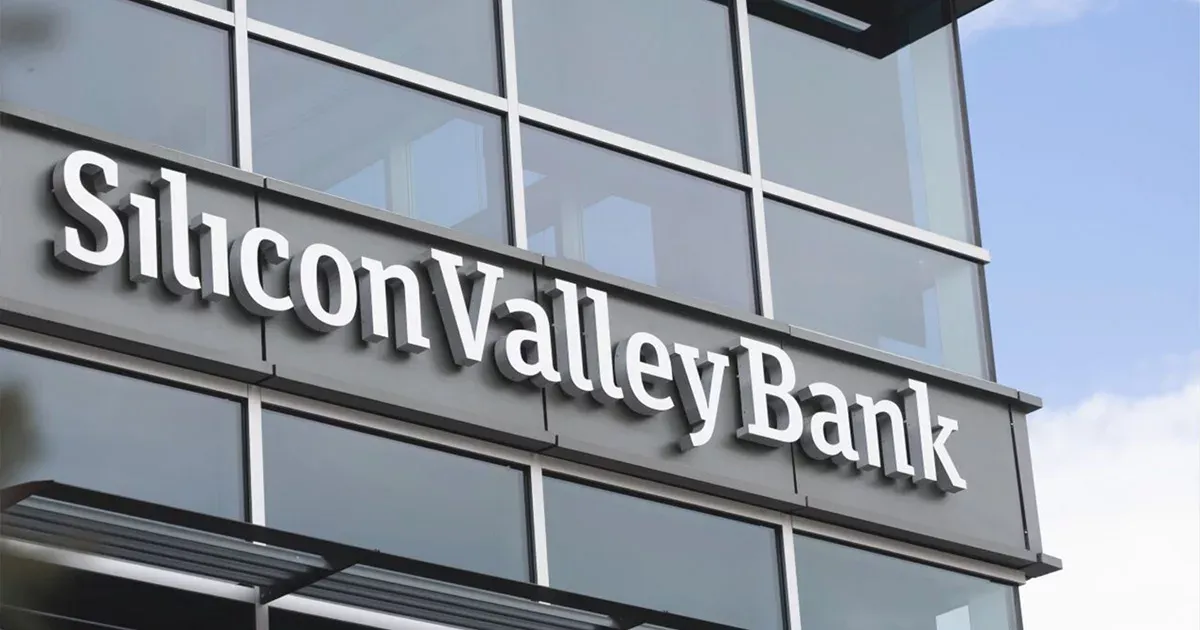 Photo: Silicon Valley, via pollackgroup.com
Arthur Laffer's famous "Laffer Curve," sketched on a napkin at a Washington D.C. restaurant in 1974, helped cement the napkin's reputation as the medium of choice for revolutionary economic thinking. Never mind that Laffer had been developing the concept for years—the napkin version made for better storytelling.
The media amplified these stories because they were perfect human interest angles. "Local Entrepreneur Builds Empire From Restaurant Doodle" was much catchier than "Local Entrepreneur Spends Three Years Developing Business Model Through Extensive Market Research."
Why We Keep Believing
The persistence of napkin origin stories reveals something deeper about American attitudes toward innovation. We want our entrepreneurs to be accessible, spontaneous, and slightly rebellious. The napkin suggests that anyone—regardless of education, connections, or resources—can have the next big idea while eating a sandwich.
This democratic vision of innovation is uniquely American. In other cultures, business success is often attributed to careful planning, family connections, or institutional support. But Americans prefer the myth of the individual genius who sees opportunities that others miss, armed with nothing but a pen and whatever's handy to write on.
The napkin also represents the American comfort with improvisation and informal communication. While other business cultures emphasize formal presentations and detailed documentation, Americans celebrate the quick sketch that captures the essence of an idea without getting bogged down in details.
The Real Legacy
While most napkin business plans are marketing fiction, they've had a real impact on how Americans think about entrepreneurship. Business schools now teach "napkin pitch" exercises where students must explain their ideas in simple diagrams. Countless entrepreneurs have been inspired to start companies because they believed innovation could be that simple and accessible.
The napkin has become a powerful symbol precisely because it's so ordinary. It suggests that the tools of innovation are all around us, waiting to be picked up by anyone with the vision to use them. In a country built on the promise that anyone can make it big, the napkin business plan represents the ultimate democratic ideal: that the next great American company might be just one doodle away.
The irony, of course, is that building a successful company requires exactly the kind of detailed planning and systematic execution that napkins are too small to contain. But sometimes the most important function of a myth isn't to tell the truth—it's to make people believe that the impossible might just be possible after all.