Before Disney World, There Was a Waterfall That Taught America How to Be Tourists
The Honeymoon That Started an Industry
In 1801, Jerome Bonaparte (Napoleon's youngest brother) brought his American bride to Niagara Falls for their honeymoon. The local newspapers covered the visit extensively, and suddenly every newlywed couple in America wanted to follow suit. Within a decade, Niagara Falls had transformed from a remote natural wonder into the country's premier romantic destination.
 Photo: Jerome Bonaparte, via www.tbelectrics.com
But the real transformation happened when entrepreneurs realized that people would pay for more than just the view. They would pay for pieces of it.
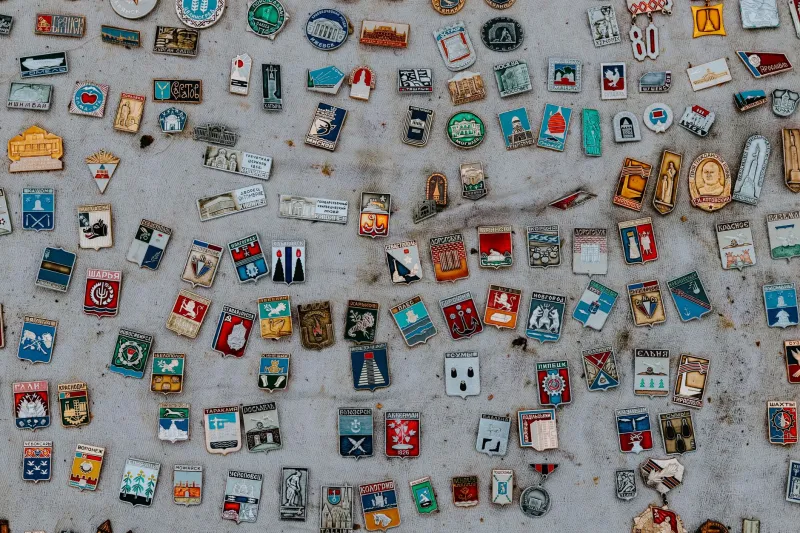
By the 1840s, visitors could purchase bottled mist from the falls, painted rocks "blessed by the spray," and pieces of wood allegedly from nearby trees. Local vendors sold everything from pressed flowers to chunks of ice, all marketed as authentic souvenirs of the Niagara experience. The modern souvenir industry was born from Americans' desire to take home proof of where they'd been.
The Spoon Craze That Consumed a Nation
The most successful Niagara souvenir wasn't a piece of the falls at all—it was a tiny silver spoon. In 1881, a local silversmith named Myron Kinsley began producing commemorative teaspoons featuring engravings of the falls. The spoons were small, relatively inexpensive, and perfect for displaying in china cabinets back home.
What happened next surprised everyone: Americans went absolutely crazy for souvenir spoons.
By 1890, collecting souvenir spoons had become a national obsession. Every tourist destination in America began producing their own versions. Women's magazines published articles on proper spoon display techniques. The wealthy competed to see who could amass the most elaborate collections, with some containing thousands of spoons from around the world.
The spoon craze was so intense that it spawned an entire secondary industry of spoon-collecting accessories: special display cases, catalogs, and even insurance policies for valuable collections. For nearly two decades, the souvenir spoon was America's most popular collectible.
The Stranger Side of Souvenir Culture
But spoons were just the beginning. Niagara Falls vendors discovered that Americans would buy almost anything if it was marketed as a unique memento. The surviving sales records from the 1890s reveal some truly bizarre purchases:
Bottled air from behind the falls, sold in decorative glass containers for 50 cents each. Customers were assured that the air contained "the essence of natural power" and would provide health benefits when released in their homes.
Pebbles from the Niagara riverbed, each individually numbered and accompanied by a certificate of authenticity. Never mind that most of the pebbles actually came from a quarry in Buffalo—tourists paid premium prices for rocks with official documentation.
Preserved flowers that had allegedly "felt the mist of the falls." These were usually common wildflowers that vendors collected from anywhere within a five-mile radius, then pressed and framed with elaborate descriptions of their spiritual connection to the natural wonder.
Perhaps strangest of all were the "Niagara Tears"—small glass vials containing water that vendors claimed had been collected from the exact spot where the water hit the rocks below. In reality, most contained ordinary tap water with a few drops of blue food coloring.
How a Waterfall Invented the Gift Shop
The commercial success of Niagara Falls established patterns that still govern tourist destinations today. Vendors learned that location mattered more than quality—a mediocre souvenir sold within sight of the falls commanded higher prices than superior craftsmanship sold miles away. They discovered that artificial scarcity increased demand—items marketed as "limited edition" or "only available here" sold faster than identical items without the special designation.
Most importantly, they realized that people weren't really buying objects—they were buying stories. A simple postcard became valuable when it was "the only postcard photographed from the secret viewing spot." A common rock became precious when it was "touched by the eternal power of Niagara."
This insight would later be adopted by every theme park, national monument, and tourist attraction in America. The gift shop became as essential as the attraction itself, because Americans had learned to expect opportunities to purchase their experiences.
The Birth of Manufactured Memory
By 1900, Niagara Falls had essentially invented the concept of the tourist trap. Local businesses had figured out how to monetize not just the natural wonder, but the entire experience of being a tourist. They sold anticipation with advance ticket packages, sold the moment with photography services, and sold memory with an endless array of souvenirs.
The model was so successful that it spread across the country. Every natural wonder, historic site, and scenic overlook began developing its own souvenir industry. Americans learned to expect that visiting somewhere special meant buying something special to prove it.
What started as a few vendors selling simple mementos had evolved into a sophisticated system for transforming experiences into commodities. Niagara Falls taught America that tourism wasn't just about seeing new places—it was about acquiring tangible proof that you'd been there.
Today, when you buy a t-shirt at the Grand Canyon or a snow globe at Mount Rushmore, you're participating in a commercial tradition that began with those first souvenir spoons at Niagara Falls. The waterfall that taught America how to be tourists also taught American businesses how to sell experiences, one overpriced memento at a time.
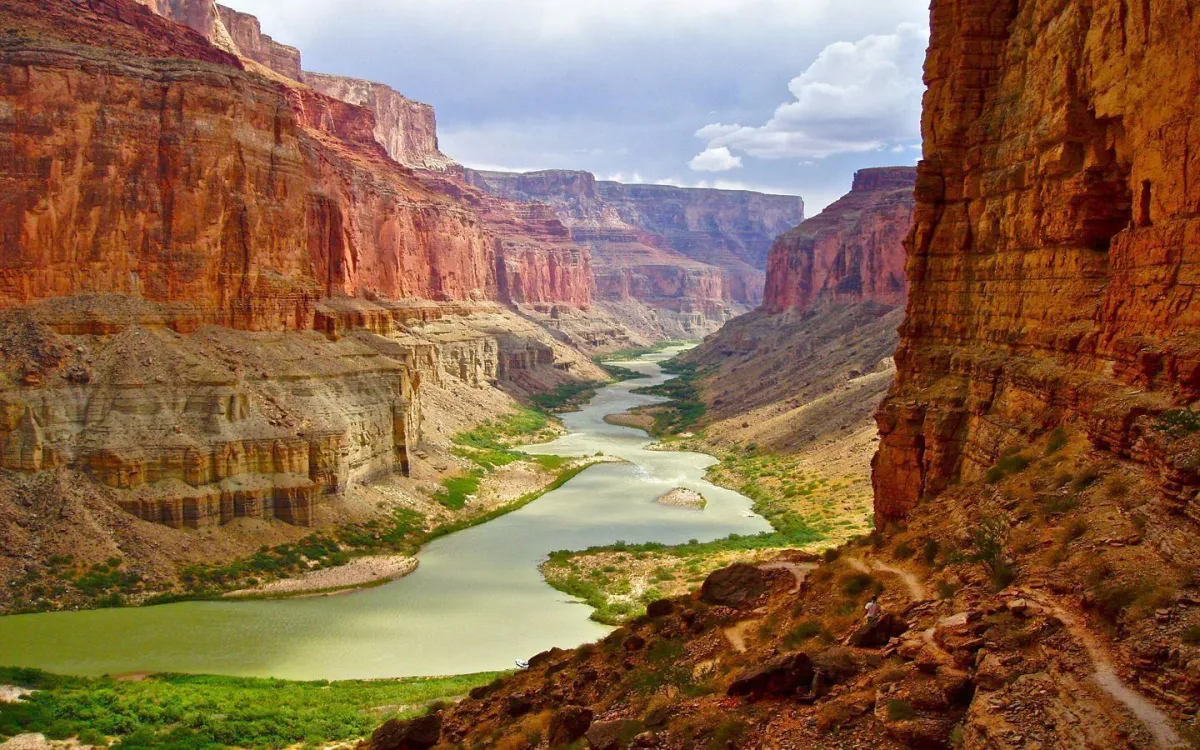 Photo: Grand Canyon, via wallpapercave.com