The Map Mistake That Built a City: When Railroad Engineers Accidentally Created an American Town
When Paperwork Creates Places
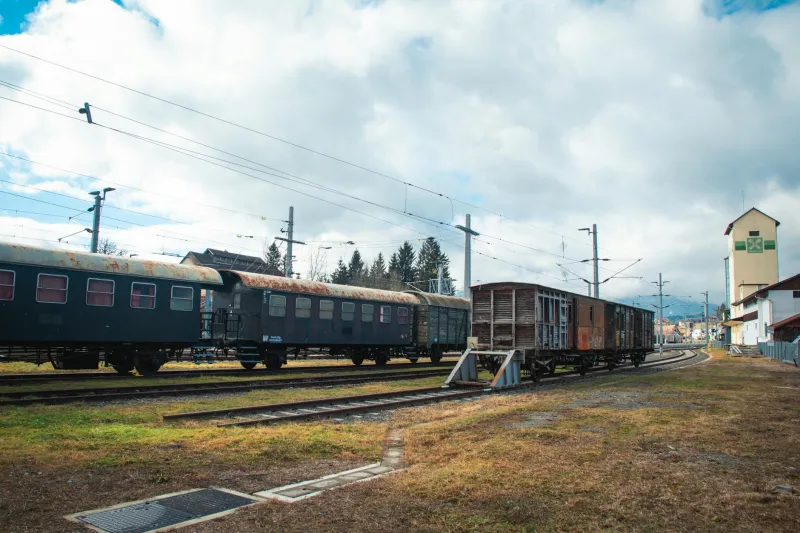
In 1881, railroad engineers working for the Chicago & North Western Railway faced a mundane problem: they needed to label a future station stop on their survey maps. The location was just empty prairie in central Iowa, miles from any existing settlement. Since no town existed yet, they grabbed the first word that came to mind and penciled it in as a temporary marker.
 Photo: Chicago & North Western Railway, via comicstud.io
They wrote "Boone," naming it after the nearby Des Moines River tributary called Boone Creek. It was meant to be administrative shorthand—a placeholder until the real town got a real name. The engineers never imagined that their hasty scribble would become permanent.
 Photo: Des Moines River, via vcdn.polarismedia.no
The Power of Printed Schedules
Once the railroad line opened in 1882, something unexpected happened. Train conductors began announcing "Boone" as they approached the stop. Passengers saw the name printed on their tickets. Local newspapers started referring to the growing settlement by its railroad designation.
The placeholder had escaped the surveyor's office and entered public consciousness. What started as internal railroad terminology became the way everyone talked about the place. By the time anyone thought to choose an "official" name, thousands of people already knew it as Boone.
The Accident Becomes Official
The pattern repeated across the American frontier. Railroad companies needed to label hundreds of future stops on their survey maps, often before any settlements existed. Engineers grabbed names from nearby geographic features, family surnames, or sometimes just made up words that sounded good.
These administrative labels weren't meant to be permanent. They were supposed to be temporary markers until real communities formed and chose their own names. But the railroad schedule was often the first official document to reference these places, giving the placeholder names an authority that stuck.
Boone, Iowa, grew rapidly around its railroad depot. Coal mines opened nearby, businesses sprouted along the main street, and families moved in to work the surrounding farmland. By 1887, the town had incorporated with a population of nearly 4,000 people—all living in a place named by accident.
 Photo: Boone, Iowa, via img.asmedia.epimg.net
The Business of Naming Places
The railroad's naming process revealed something fascinating about how American towns actually got their identities. Unlike older settlements that evolved organically around natural harbors or river crossings, railroad towns were created by corporate planning. The names came from office workers in distant cities who had never seen the prairie they were labeling.
This led to some wonderfully arbitrary results. Towns named after railroad executives' daughters. Places called "Summit" in perfectly flat areas because they represented the highest point on a particular section of track. Communities stuck with names like "Milepost 47" because that's what appeared on the engineering drawings.
Boone's story was typical of hundreds of American towns that inherited their names from railroad paperwork. The difference was that most people never learned about the administrative accident behind their hometown's identity.
When Maps Become Reality
The transformation from placeholder to permanent name illustrates how powerful maps can be in shaping reality. Once "Boone" appeared on railroad schedules and survey documents, it gained a kind of official existence that preceded the actual town.
Early settlers didn't choose the name—they inherited it from corporate bureaucracy. But over time, they made it their own. Local businesses incorporated "Boone" into their names. The high school became Boone High. Residents developed pride in their community's identity, even though that identity had started as clerical convenience.
The Legacy of Accidental Names
Today, Boone, Iowa, is a thriving city of 12,000 people. It's home to a university, a scenic railroad that attracts tourists, and the headquarters of several major businesses. The town has a rich history and strong community identity—all built around a name that began as a surveyor's afterthought.
The story reveals how many American place names that seem deeply rooted in local history actually originated from bureaucratic accidents. Railroad engineers, postal workers, and government clerks made quick decisions that became permanent parts of the American landscape.
The Map That Made the Territory
Boone's origin story reflects a larger truth about how the American West was settled. Unlike the organic growth of older Eastern cities, Western towns were often created by corporate planning and bureaucratic necessity. The railroad needed to label stops, so it invented names. Those names attracted settlers, who built communities, which justified the original labels.
It's a perfect example of how administrative convenience can accidentally create cultural reality. Two railroad engineers needed a word for their map. A century and a half later, that word represents home to thousands of Americans who've never questioned where their town's name came from.
Sometimes the most permanent things in our lives started as someone else's temporary solution.