How a Sore-Footed Tennis Player Accidentally Put the Whole Country in Sneakers
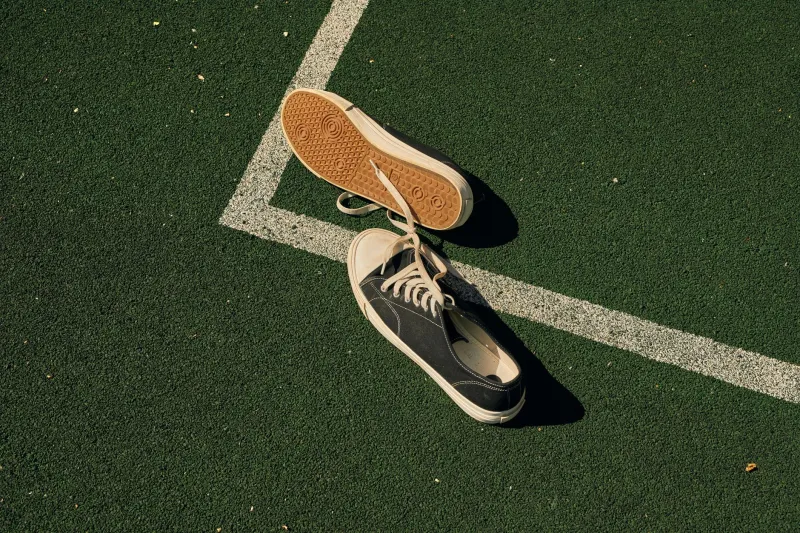
There's a shoe in your closet right now — probably more than one — that traces its entire existence back to a complaint. Not a grand vision, not a corporate strategy, not a planned product launch. A complaint. From an athlete who was tired of his feet hurting.
The sneaker is so thoroughly American at this point that it barely registers as a cultural artifact anymore. It's just a shoe. Except it isn't. It's the end result of a chain of accidents, adaptations, and one genuinely strange leap from tennis courts to city sidewalks that nobody saw coming.
Canvas Shoes and Their Considerable Limitations
To understand what changed, you have to understand what came before. In the late 19th and early 20th centuries, athletic footwear in America was a fairly grim affair. Canvas shoes with thin rubber soles — sometimes called "plimsolls" — existed, but they were basic. The rubber was stiff, the cushioning was nonexistent, and prolonged wear on hard courts or tracks left athletes with aching joints and blistered feet.
Tennis, in particular, was a sport that exposed these limitations quickly. The game demanded rapid lateral movement on hard surfaces, and the shoes of the era simply weren't built for it. Players at elite clubs in the 1910s and 1920s complained regularly, but the footwear industry mostly shrugged. Athletic shoes were considered functional equipment, not a product category worth heavy investment.
That attitude started to shift when the United States Rubber Company, which had been experimenting with vulcanized rubber applications for years, began developing a more sophisticated canvas-and-rubber shoe in the early 1900s. They called the result Keds, launched in 1916, and marketed them as "the shoe that lets you sneak up on people" — which is, almost certainly, where the word "sneaker" comes from. But Keds were still fairly flat and unspecialized. The real leap came from a different direction.
The Marquee Mover
The name that changed everything was Chuck Taylor — a semi-professional basketball player from Indiana who began wearing the Converse All Star shoe in the late 1910s and quickly decided it needed work. Taylor's complaints were specific: the shoe lacked ankle support, the sole didn't grip well, and after extended play, his feet were in real trouble.
What made Taylor unusual wasn't the complaint. Athletes complained constantly. What made him unusual was that Converse actually listened — and then hired him. Taylor joined Converse as a salesman and ambassador in 1921, traveling the country running basketball clinics and, crucially, continuing to push for design improvements on the shoe that would eventually bear his name. The ankle patch that appeared on the All Star shortly after his involvement? His idea. The improved sole flexibility? His feedback.
The Chuck Taylor All Star, refined through the 1920s and 1930s, became the dominant basketball shoe in America. By the time the NBA was founded in 1946, it was essentially the default footwear for the sport. But something else was happening alongside the athletic adoption that would prove far more consequential.
When the Gym Shoe Left the Gym
World War II changed American consumption patterns in ways that took decades to fully unfold. Rubber and canvas were wartime materials, which meant civilian shoe production was restricted. When the war ended and restrictions lifted, American manufacturers flooded the market with affordable athletic footwear. Suddenly, rubber-soled canvas shoes weren't just for athletes — they were for kids playing in the backyard, teenagers at the soda fountain, anyone who wanted something cheap and comfortable.
The cultural meaning of the sneaker began to shift. James Dean wore them. So did Marlon Brando. In a postwar America that was actively romanticizing youth and rebellion, the athletic shoe became a symbol of something casual, anti-formal, and faintly transgressive. Wearing sneakers where you weren't supposed to — to school, to a restaurant, somewhere that expected leather — was a small act of defiance that cost almost nothing.
By the 1970s, the running boom had introduced a new generation of technically sophisticated athletic shoes, and companies like Nike and New Balance were engineering performance footwear that put the old canvas plimsolls to shame. Nike's 1972 waffle sole, famously created by co-founder Bill Bowerman pouring rubber into his wife's waffle iron, gave distance runners a lighter, grippier option that changed competitive running. But it also looked different — chunky, purposeful, and somehow cool in a way that dress shoes couldn't touch.
The Blurring That Never Stopped
The line between athletic shoe and everyday shoe has been dissolving ever since, and at this point it's essentially gone. Sneakers appear at job interviews, formal dinners, and on the feet of everyone from toddlers to grandparents. The global sneaker market is worth over $100 billion. Limited-edition releases cause lines around city blocks. Sneaker collecting is a legitimate hobby with its own economy, its own grading systems, and its own celebrity endorsers.
None of that was planned. It wasn't a marketing strategy or a cultural movement that someone organized. It started with rubber technology that needed refining, an athlete who wouldn't stop pushing for a better product, and a postwar consumer culture that was ready to embrace something comfortable and unpretentious.
The next time you pull on a pair of sneakers to go somewhere that has absolutely nothing to do with athletics, you're participating in one of the longest accidental revolutions in American fashion history. It started with sore feet. It ended up everywhere.